say it out loud
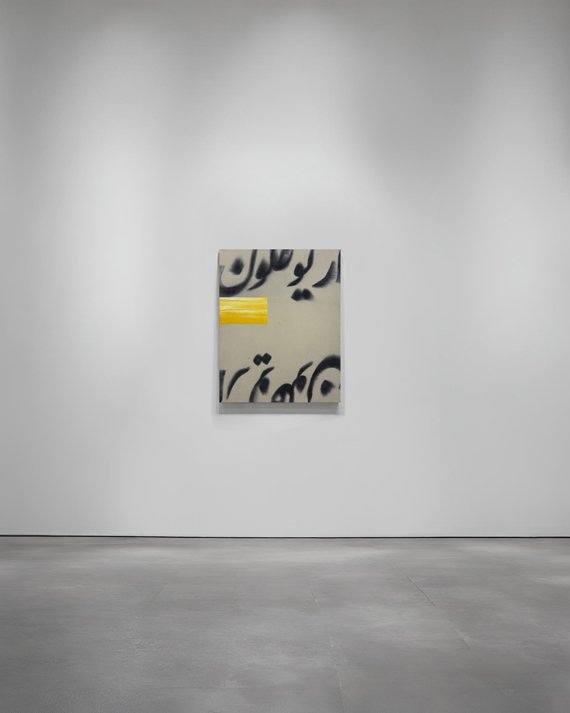
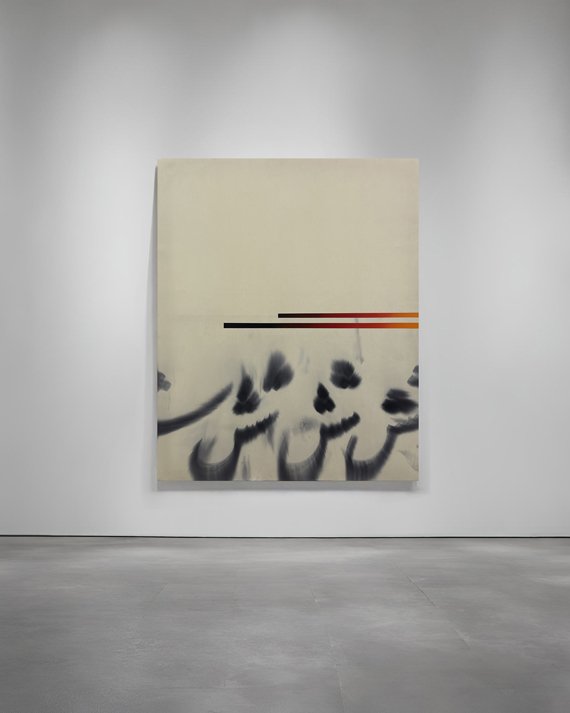
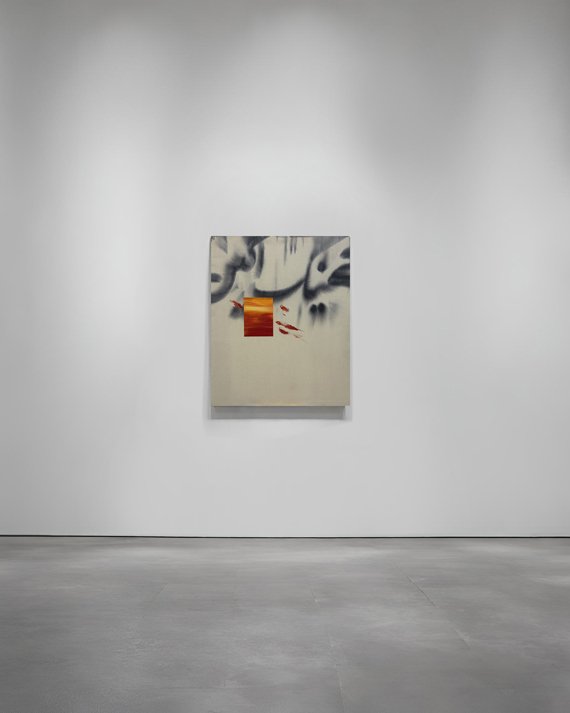
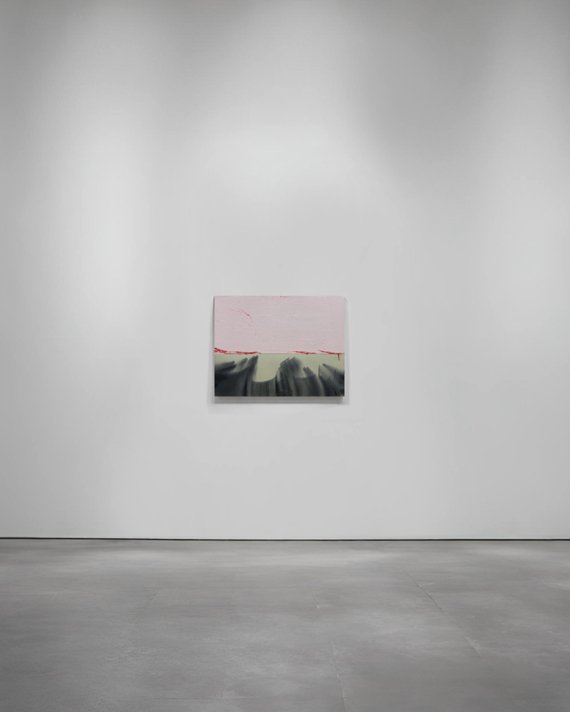
Say It Out Loud is a body of text-based works that explores language as a social and spatial act. The series is built around short English phrases—direct, familiar, and often internal—phrases that exist in everyday thought but are not always spoken. These works operate in the subtle space between thinking and saying, where language is filtered through social behavior, politeness, restraint, and timing.
Rather than presenting text as narrative, these works present text as presence. The sentences are not meant to be read as literature alone, but as objects that exist in space and interact with the people around them. In this way, each work functions almost like a quiet performative gesture—its meaning is completed by the situation in which it is placed and the person who encounters it. The viewer does not only read the work; the viewer activates the work through their own thoughts and experiences.
Conceptually, the series is interested in the idea that much of human communication remains unspoken. In daily life, we constantly edit ourselves—we soften our responses, delay our reactions, or choose silence over honesty for the sake of courtesy, respect, or social balance. Say It Out Loud playfully interrupts this system. The works gently bring these edited thoughts into the visible world, not in an aggressive or confrontational way, but with lightness, humor, and familiarity.
Visually, the works remain minimal in order to keep the focus on the sentence itself—on tone, timing, and implication. The language is simple, but the function is layered. A single phrase, when placed in a room, can shift the atmosphere, create a pause, or introduce a moment of self-awareness. The works are therefore not only visual objects, but also social objects—they participate in the environment, in conversations, and in human behavior.
At its core, Say It Out Loud treats text as both image and action. The series proposes that a sentence can be a gesture, a presence, a boundary, a reminder, or even a sense of humor. These works do not try to speak loudly; instead, they quietly say the things we are already thinking.