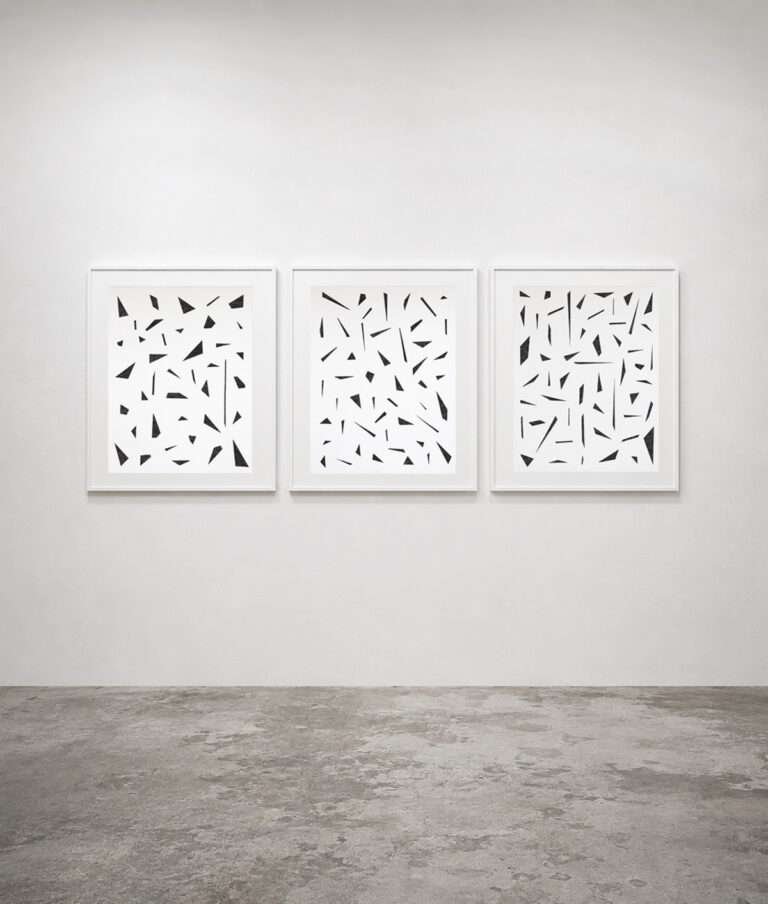
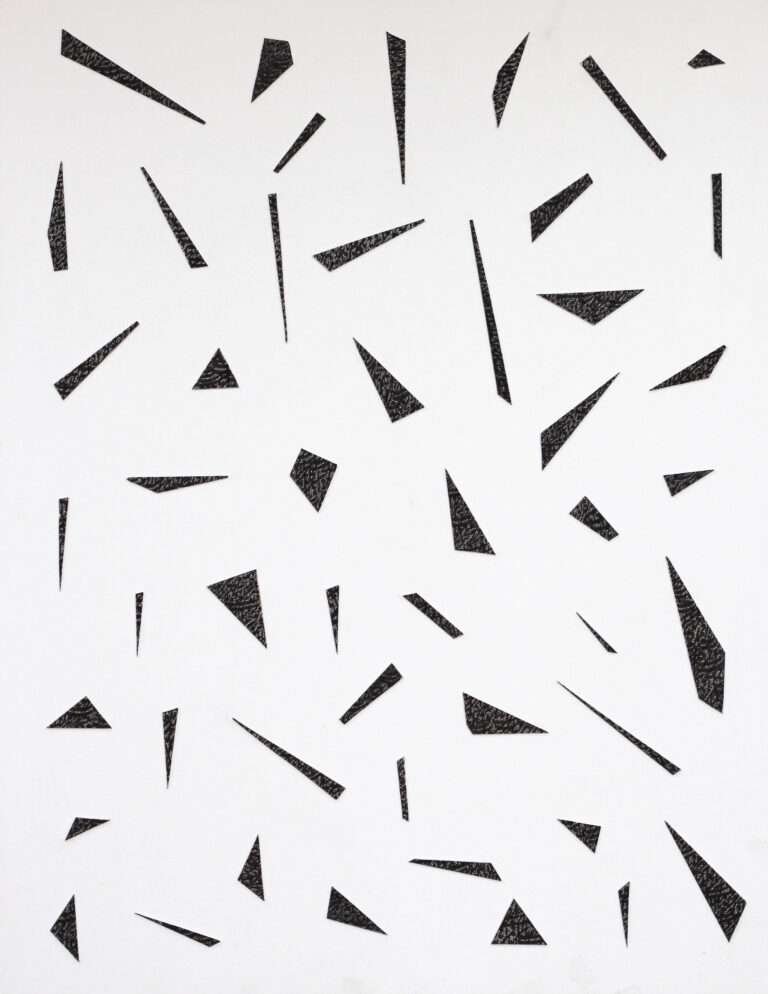
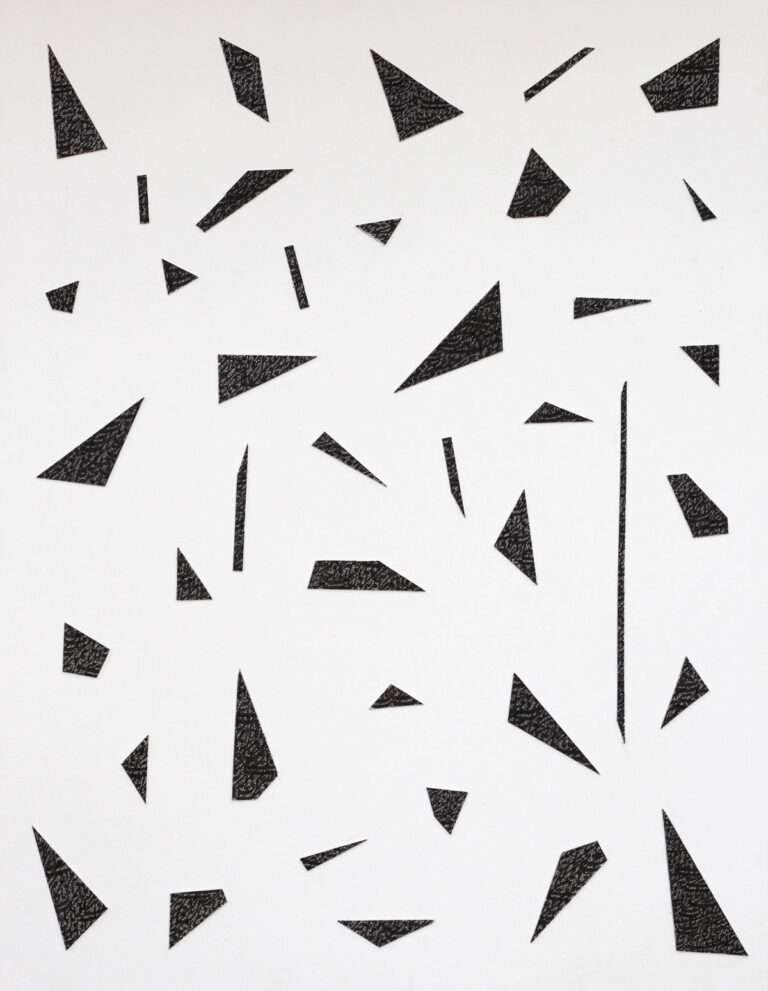
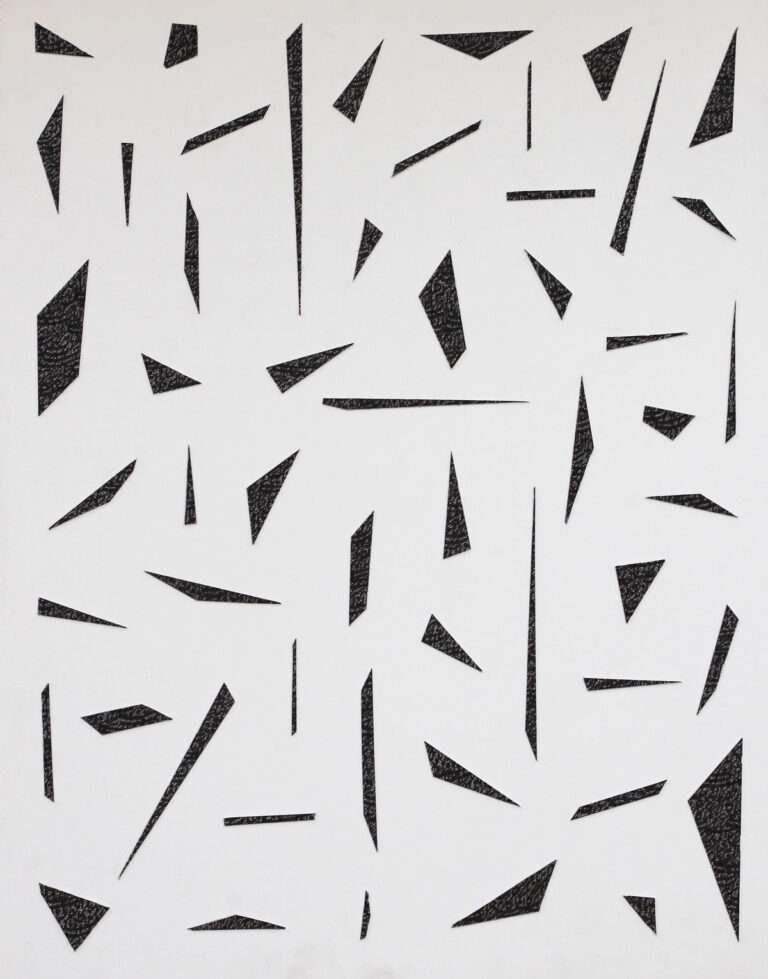
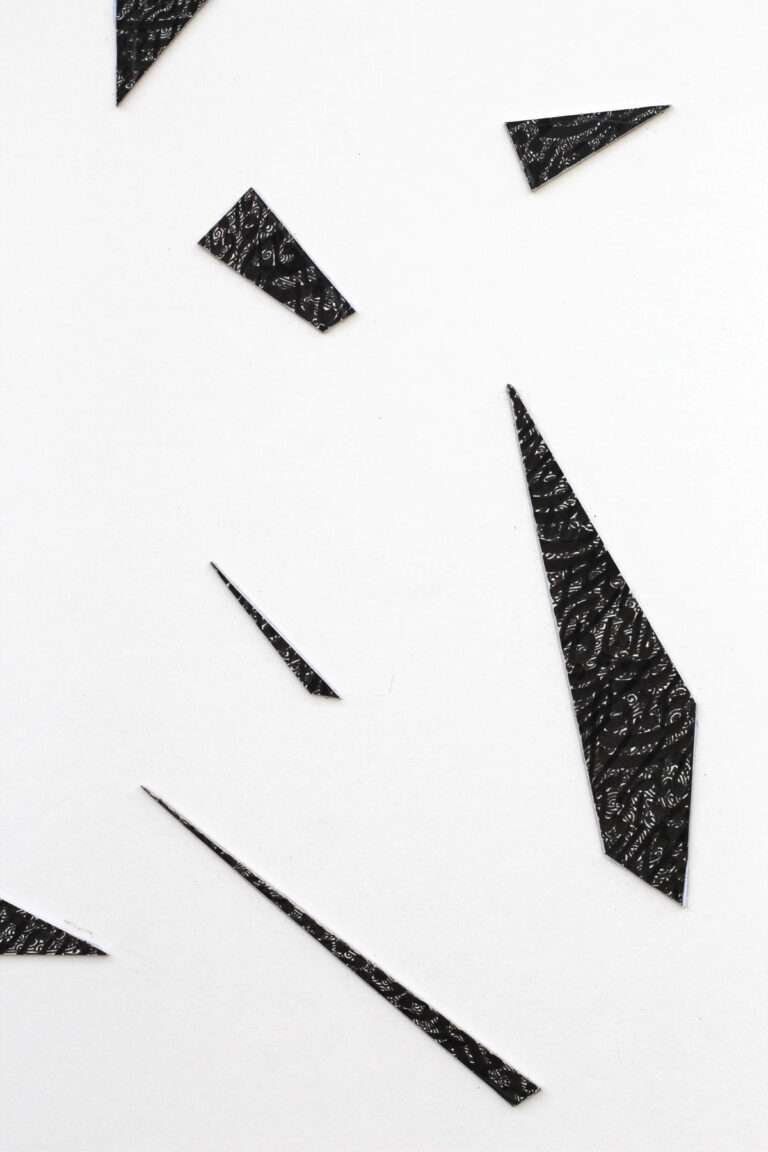
Into a Thousand Pieces reflects on the way time and memory are experienced — not as continuous narratives, but as fragments. Human experience is rarely remembered as a complete story; instead, it returns in parts: a moment, a sentence, a face, a feeling. These fragments do not necessarily connect logically, yet they remain connected through memory and emotion.
This work emerges from the idea that fragmentation is not a sign of loss, but a condition of existence. We understand our lives not as a whole, but through scattered moments that we continuously rearrange in our minds in order to make sense of who we are and what we have lived through.
Within the larger body of work In Between The Lines, which explores pauses, silence, and the spaces between events, Into a Thousand Pieces extends this idea by suggesting that meaning does not only exist within moments, but also in the gaps between them. What is missing, forgotten, or absent becomes as significant as what is present and remembered.
The work therefore is not about breaking something apart, but about recognizing that our understanding of time, memory, and self is already in pieces. We are constantly collecting, rearranging, and reconstructing these fragments in order to create a sense of continuity, even if that continuity is an illusion.
Into a Thousand Pieces is about this fragile process of holding fragments together — and about accepting that sometimes meaning only becomes visible when things are no longer whole.
Into a thousand pieces | Ink and collage on wasli paper | 3 panels, 20 x 26 inches | 2018