Muzzumil Ruheel trained in Urdu, Persian and Arabic calligraphy, and that training still shapes how he works: the movement, rhythm and structure of the letterform are a way of thinking for him. His calligraphic abstraction is concerned with how a mark can carry both structure and meaning. A letter can become a mark, a word can become an image, and a familiar form can be pushed until it points towards an idea rather than describing it.
Abstraction with a purpose
In Ruheel’s work, abstraction is never an end in itself. Each painting, work on paper or sculpture starts from something specific — a question, an observation, a piece of research. The forms stay open rather than literal, but they are not arbitrary. They direct attention, set up associations, and give the viewer a particular way of looking.
The work does not hand over an answer. It creates a situation in which something can be thought about. Abstraction makes this possible because it lets an idea work without being reduced to a single picture or a single reading: it can suggest, hold back, or make something usually overlooked suddenly visible.
From the letterform
Calligraphy is where the work begins. The discipline of writing gives Ruheel his sense of rhythm, repetition and proportion, and these carry into forms that no longer look calligraphic at all. Letters fragment, overlap or disappear; lines become structures; repetition becomes a system; a sculpture becomes a physical proposition.
His paintings and sculptures can look very different from one another, but they share one concern: how an idea can be built, hidden, revealed and experienced through form. The form is not only what the work looks like — it is how the work thinks.
An idea-led practice
The practice is research-led. It returns again and again to language, perception, memory, identity, storytelling, silence and the ways meaning is made. Research rarely turns into a literal picture of its subject. It might become a fragment of text, an abstract painting or a fabricated object, and the link between the starting idea and the finished work is often left deliberately indirect.
That is where the viewer comes in. A sculpture may look simple because its simplicity focuses attention on one question. A painting may contain nothing readable, yet be built around a precise cultural concern. A fragment of writing may be recognisable without being decipherable, leaving a gap between what we think we understand and what stays unresolved.
What connects the work is not a style but a way of working: research leads to ideas, ideas lead to questions, and questions are turned into form. The works may be abstract, but they are not simply about abstraction. Each one is an invitation to look again — and to find meaning in the space between what is shown and what is understood.
Script and abstraction in modern and contemporary art
Turning script into abstraction is an international conversation: the Hurufiyya artists of the Arab world, the Saqqakhaneh painters in Iran, Sadequain’s and Zahoor ul Akhlaq’s work in South Asia, and Western painters such as Mark Tobey and Cy Twombly, whose marks sit close to handwriting. Ruheel’s work can be read within this wider field, where calligraphy works as a conceptual and visual language.
Works
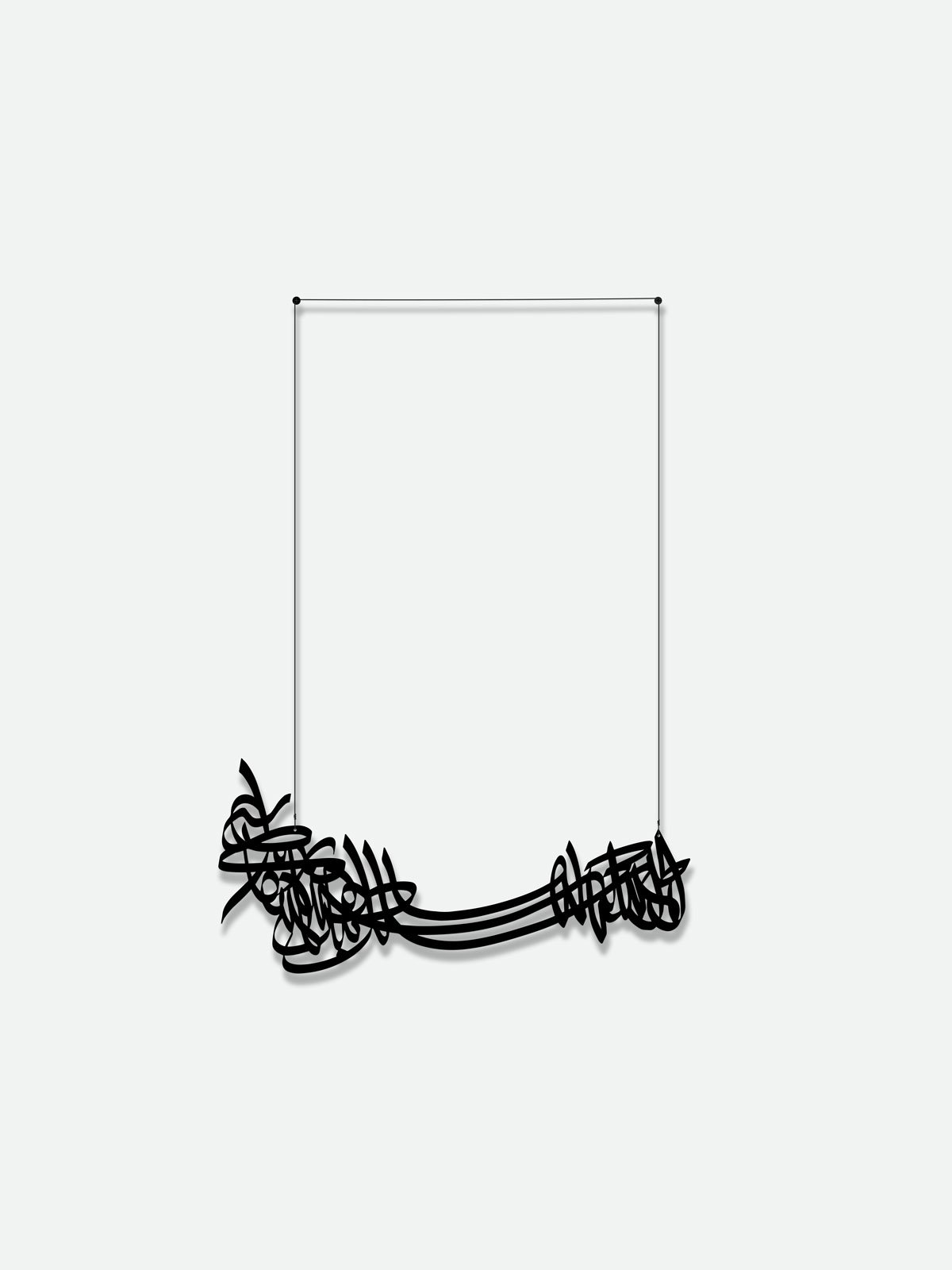
He Listens, I Ramble
2025 · Mild steel, string, screws, and paint · 22 × 30 × 1 in
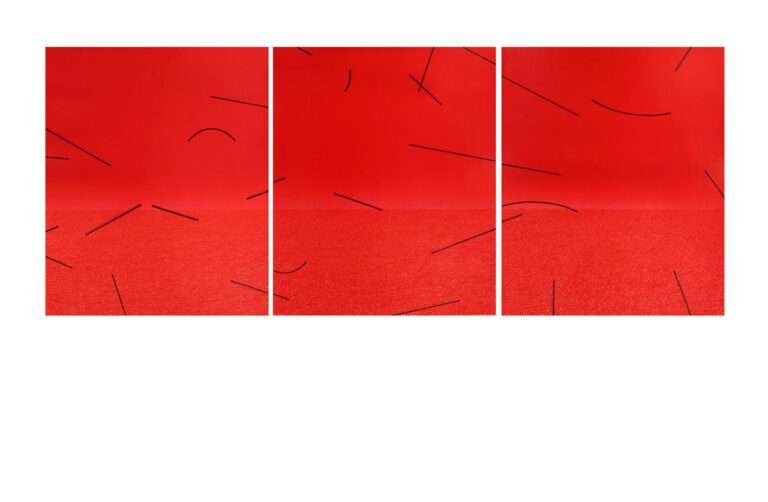
Singularity
2024 · Ink and acrylics on wasli paper · 20.5 x 26 inches
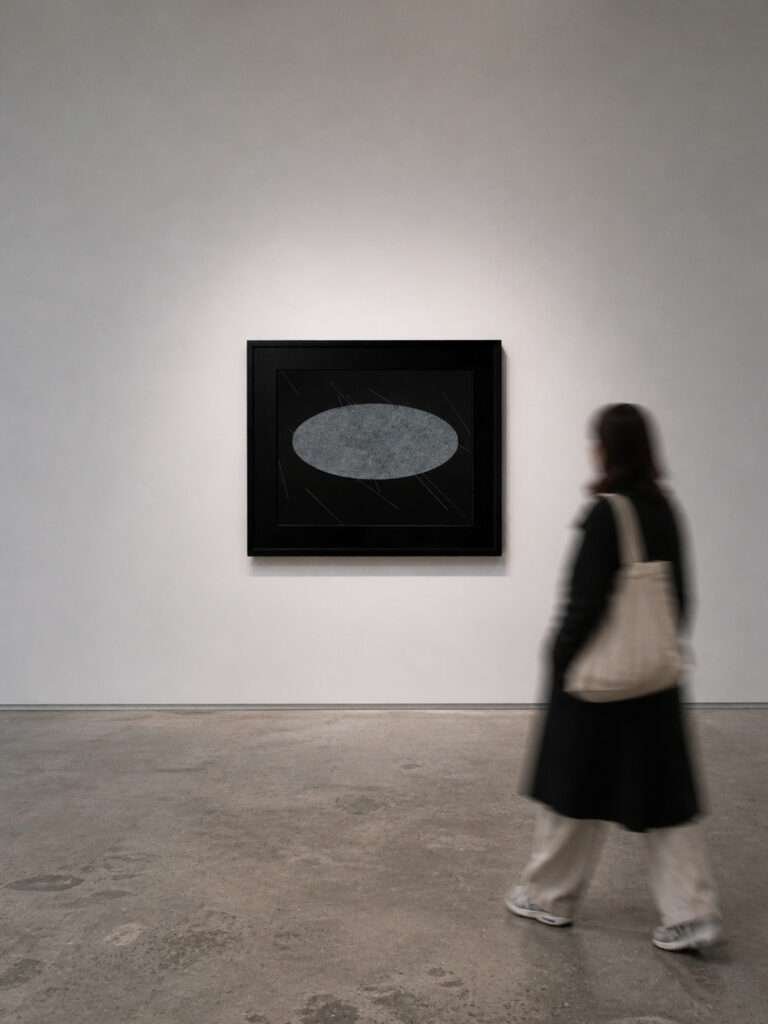
Singularity
2024 · Ink and acrylics on wasli paper · 20.5 x 26 inches
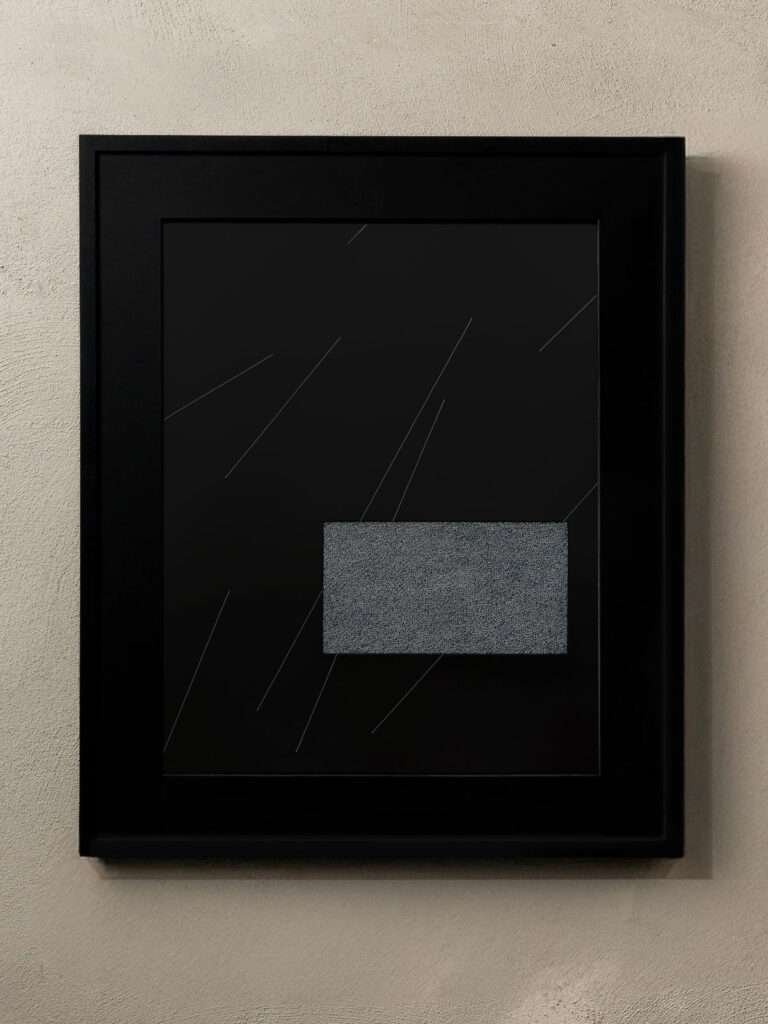
Everything is Possible
2024 · Ink and acrylics on wasli paper · 20.5 x 26 inches
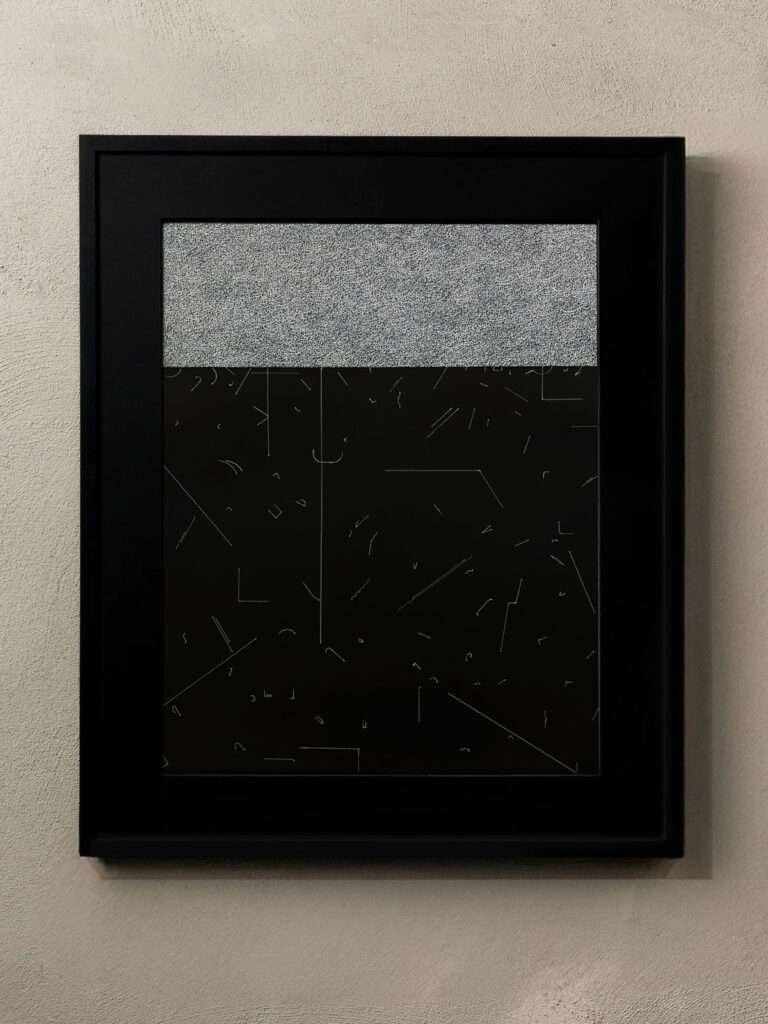
Below the Surface
2024 · Ink and acrylics on wasli paper · 20.5 x 26 inches
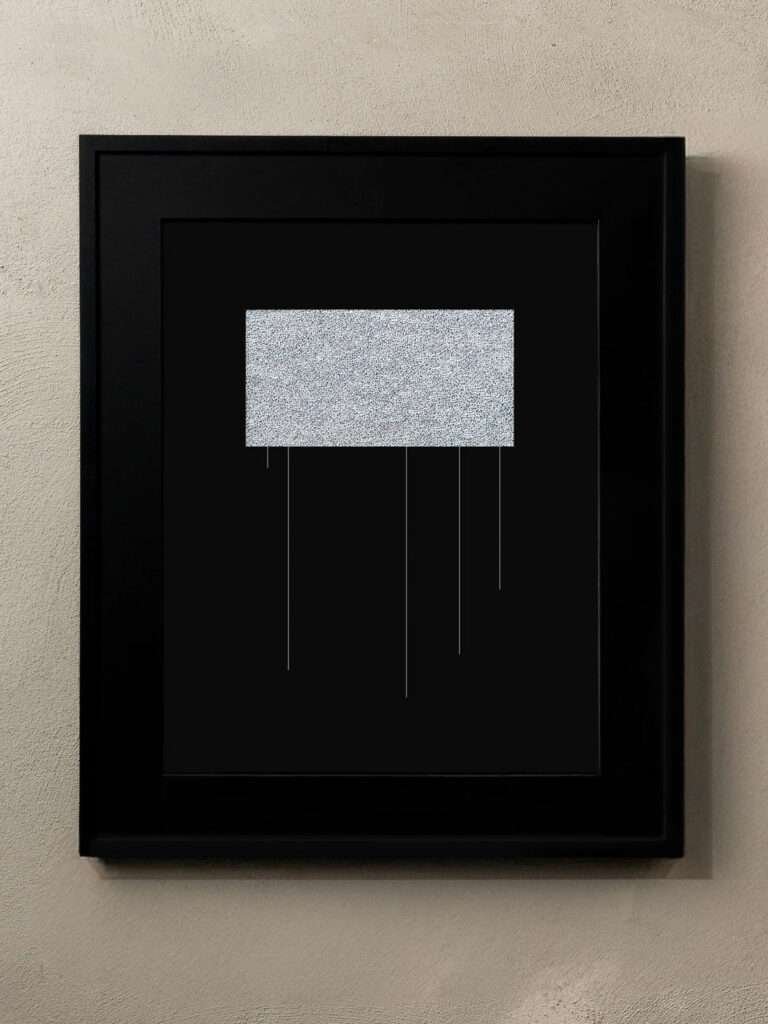
I Remember You Trying To Forget
2024 · Ink and acrylics on wasli paper · 20.5 x 26 inches
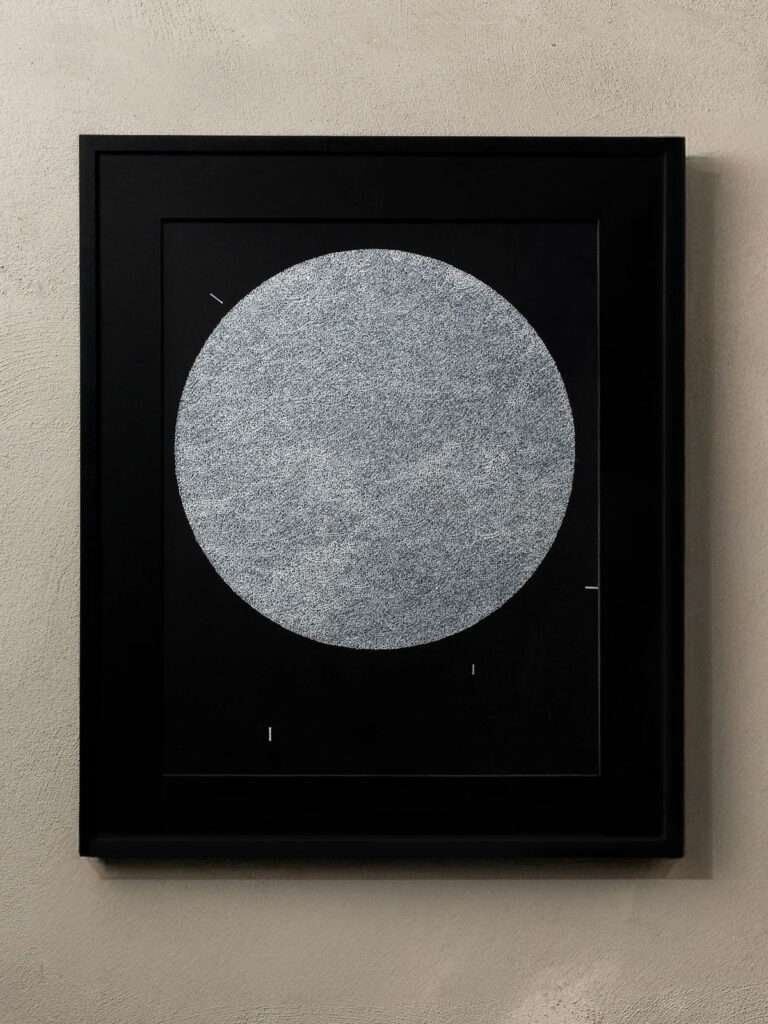
Stillness
2024 · Ink and acrylics on wasli paper · 20.5 x 26 inches
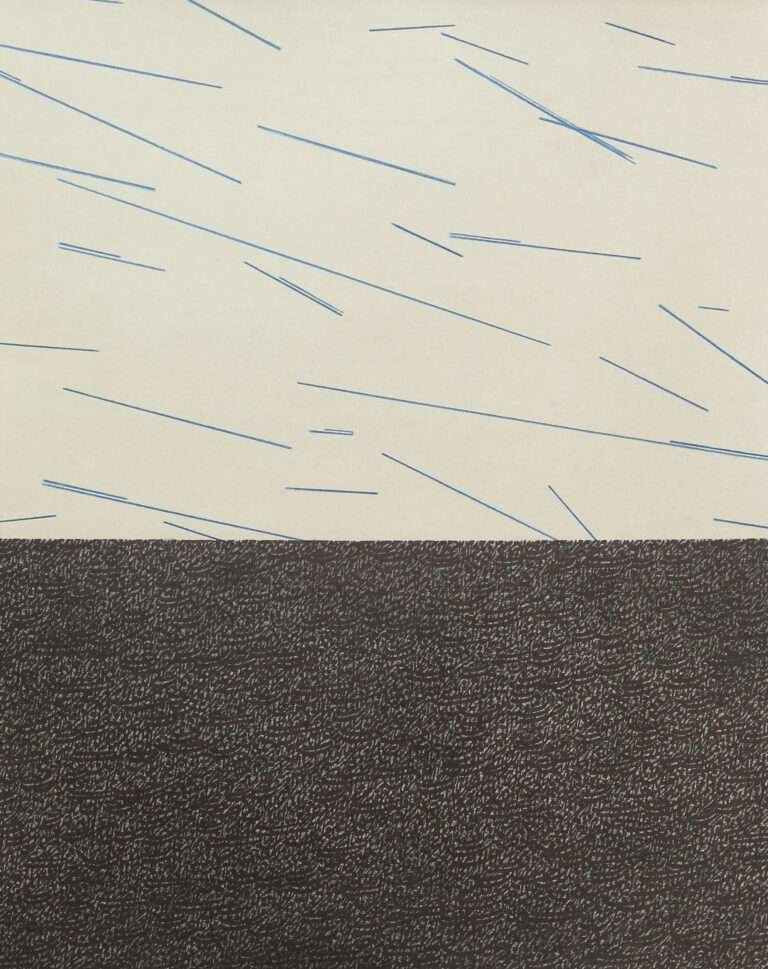
Unspoken Beauty
2023 · Ink and acrylics on wasli paper · 20.5 x 26.5 inches
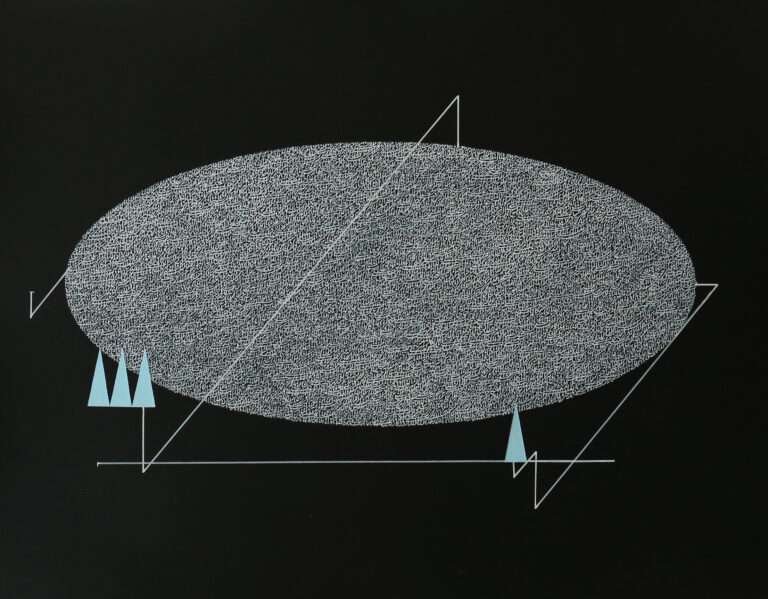
Prospects
2023 · Ink and acrylics on wasli paper · 20.5 x 26.5 inches
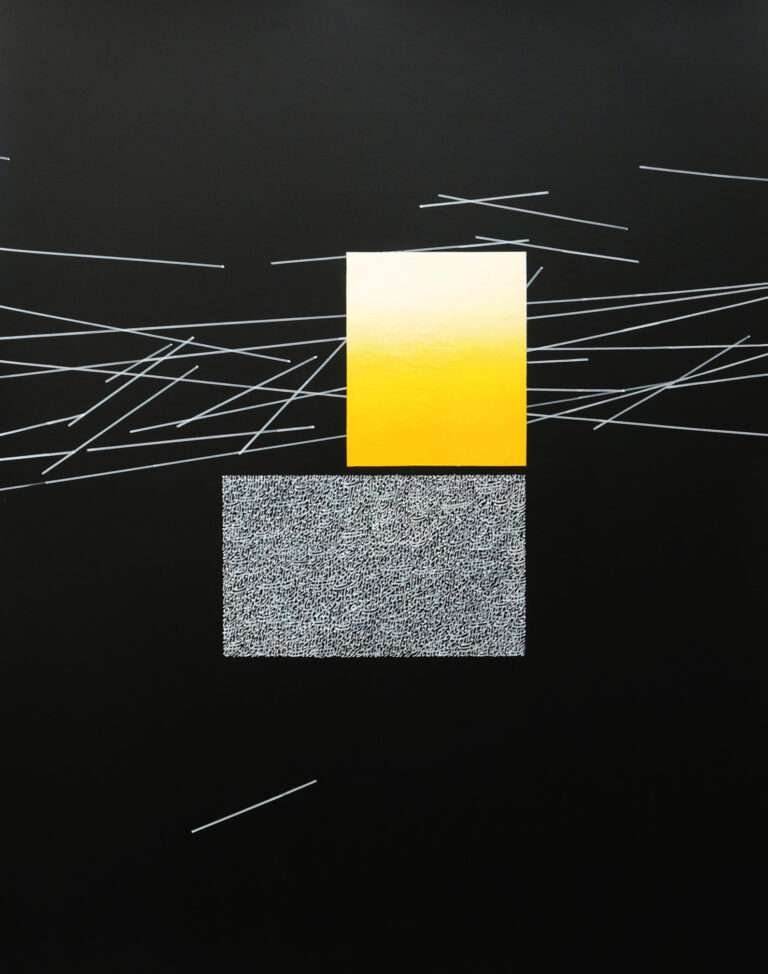
Optimistic Crossroads
2023 · Ink and acrylics on wasli paper · 20.5 x 26.5 inches
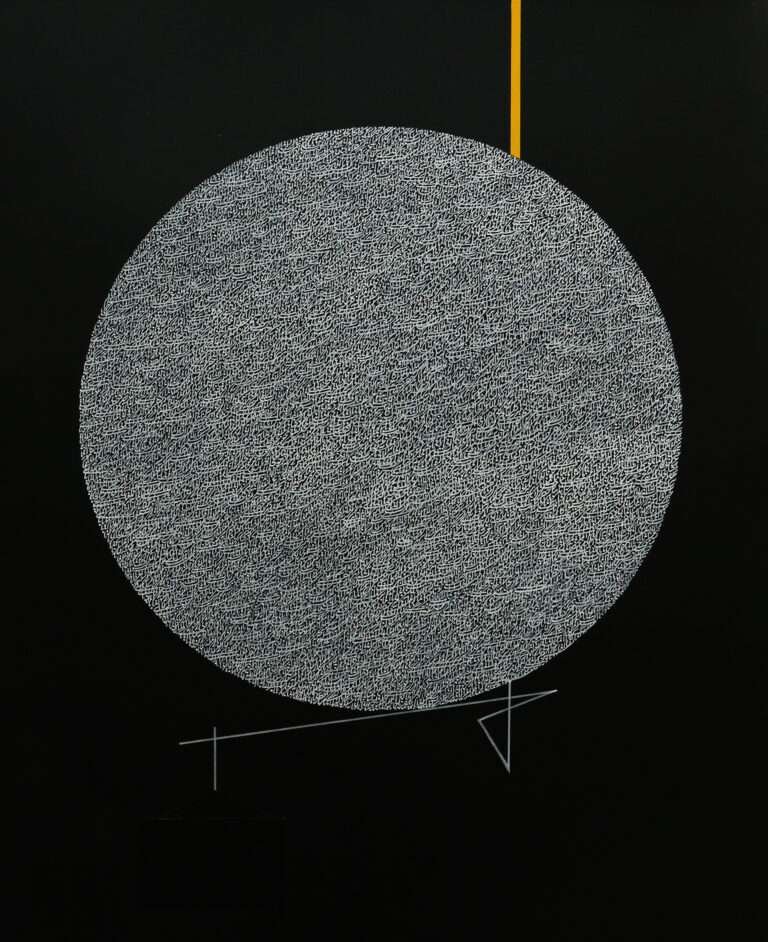
Equitable
2023 · Ink and acrylics on wasli paper · 20.5 x 26.5 inches
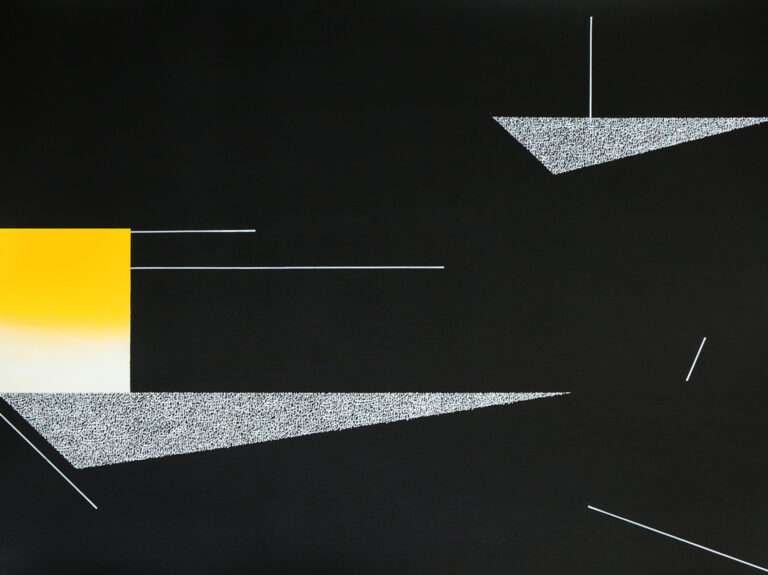
Silent Bonds
2023 · Ink and acrylics on wasli paper · 20.5 x 26.5 inches
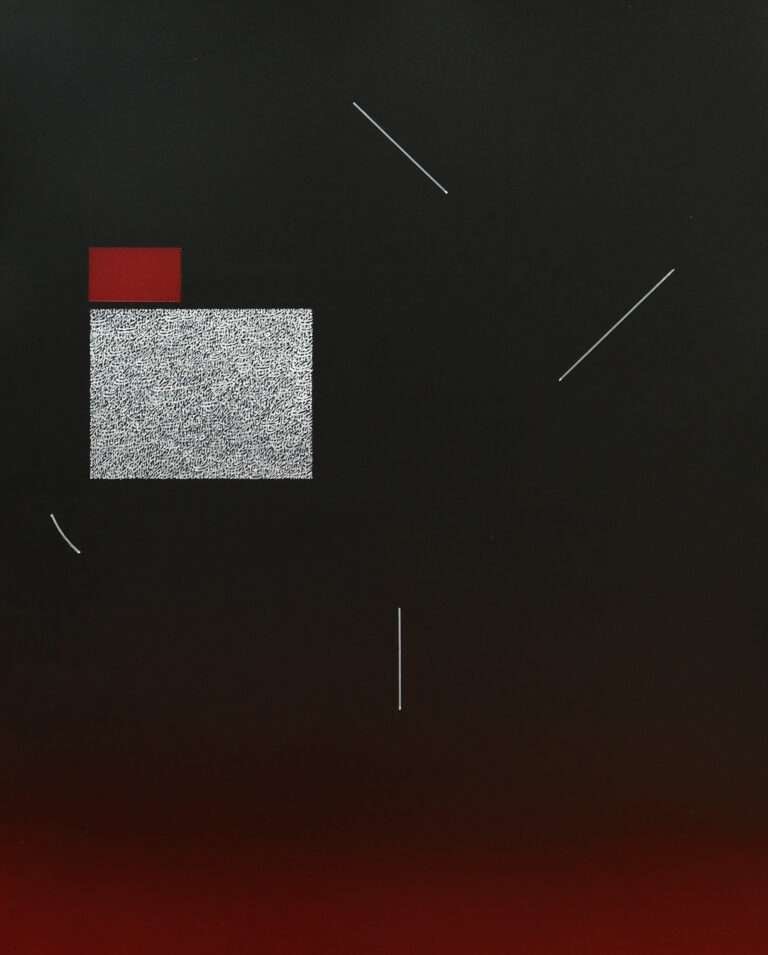
Choicescape
2023 · Ink and acrylics on wasli paper · 20.5 x 26.5 inches
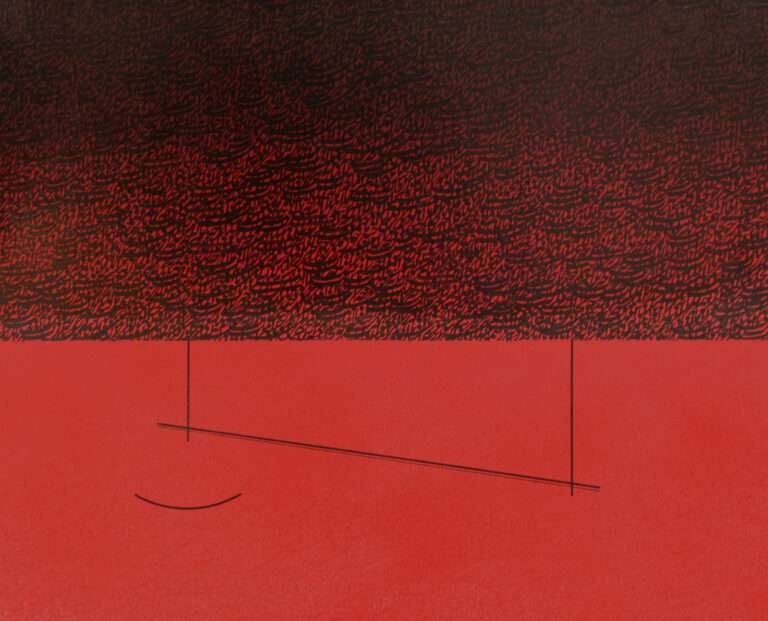
Considerations
2023 · Ink and acrylics on wasli paper · 20.5 x 16.4 inches
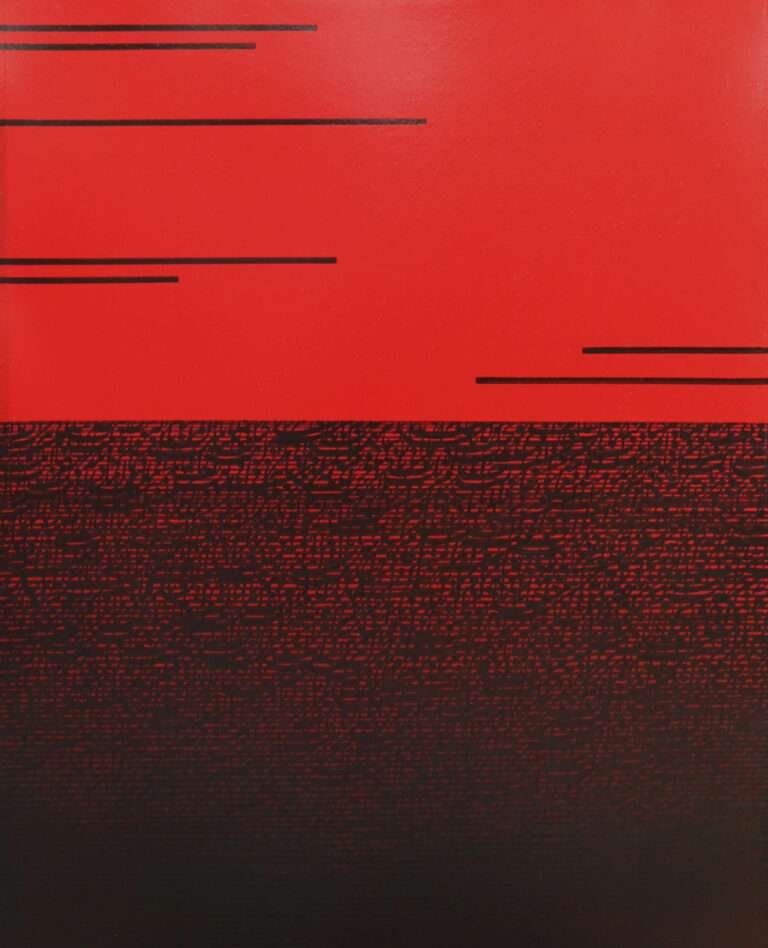
Reflections
2023 · Ink and acrylics on wasli paper · 20.5 x 26.5 inches
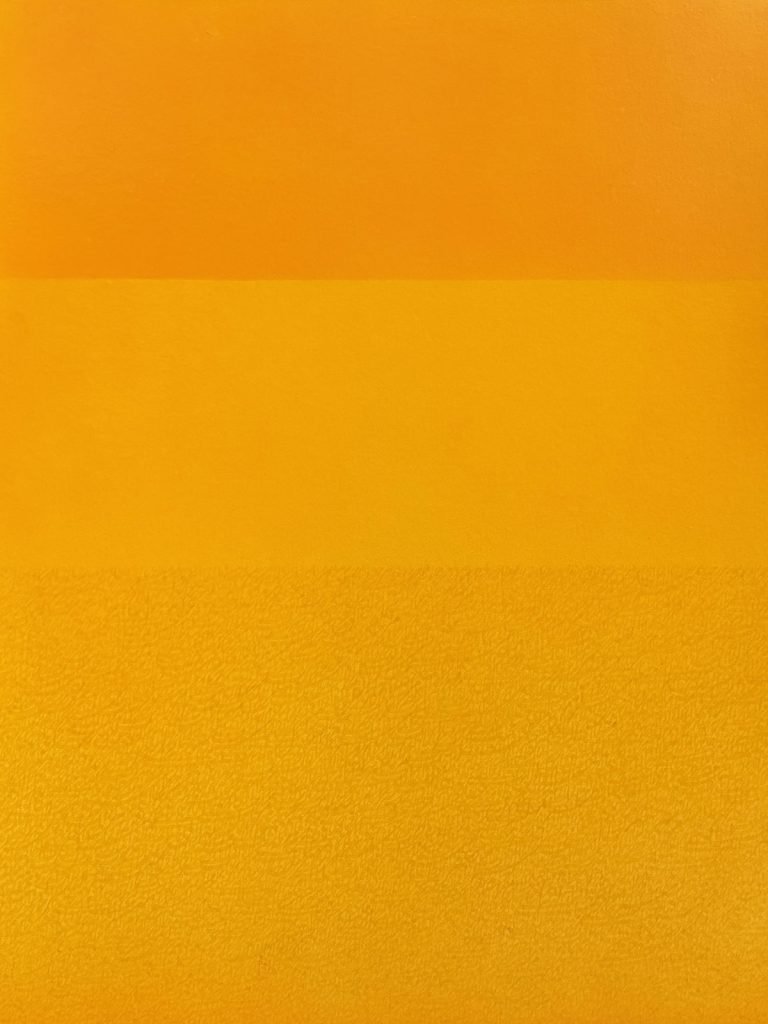
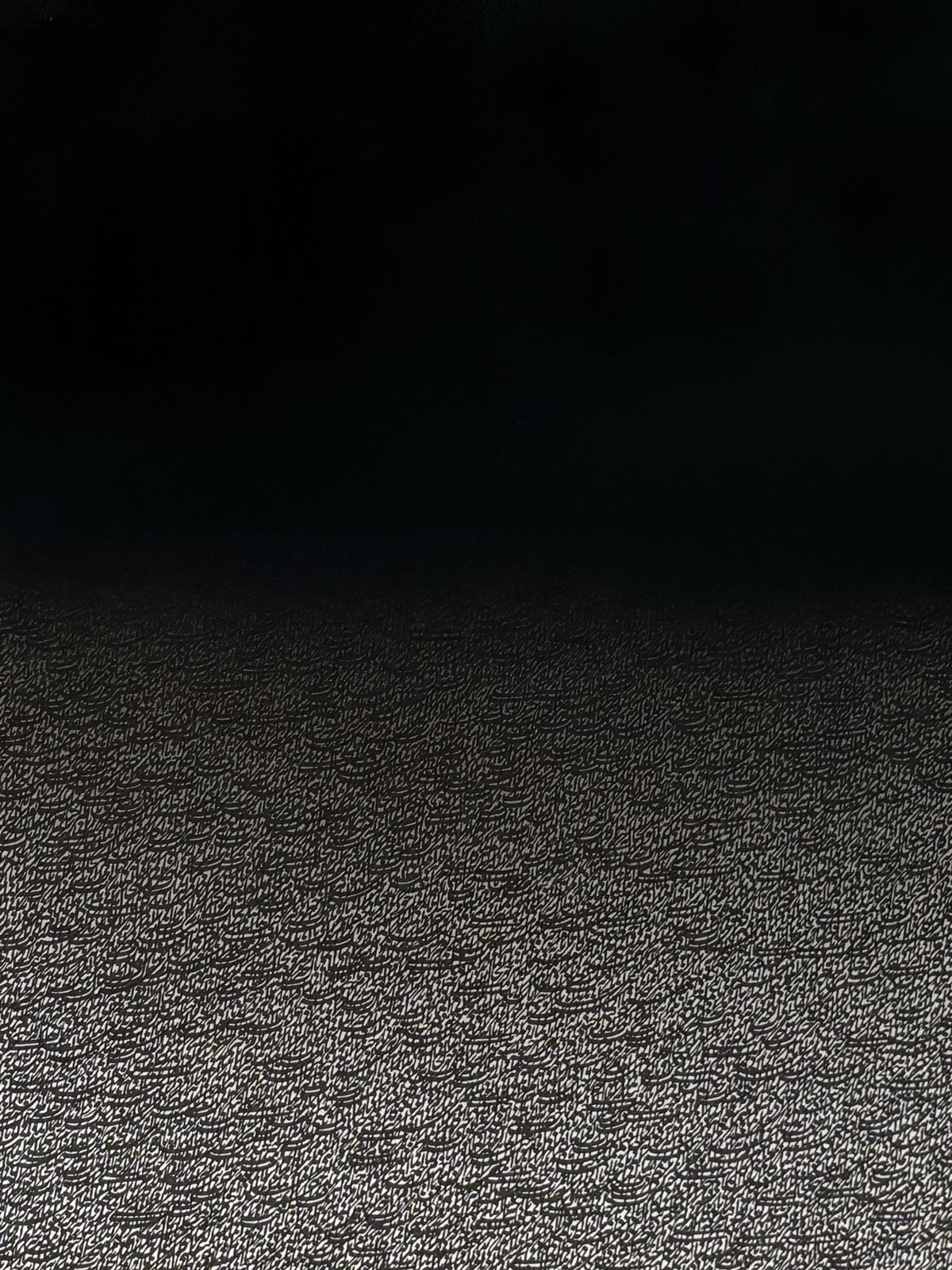
Weight of Stillness
2023 · Ink and acrylics on wasli paper · 52 × 67 cm
Between the Seen and Unseen
2023 · Ink and acrylics on wasli paper · 52 × 67 cm
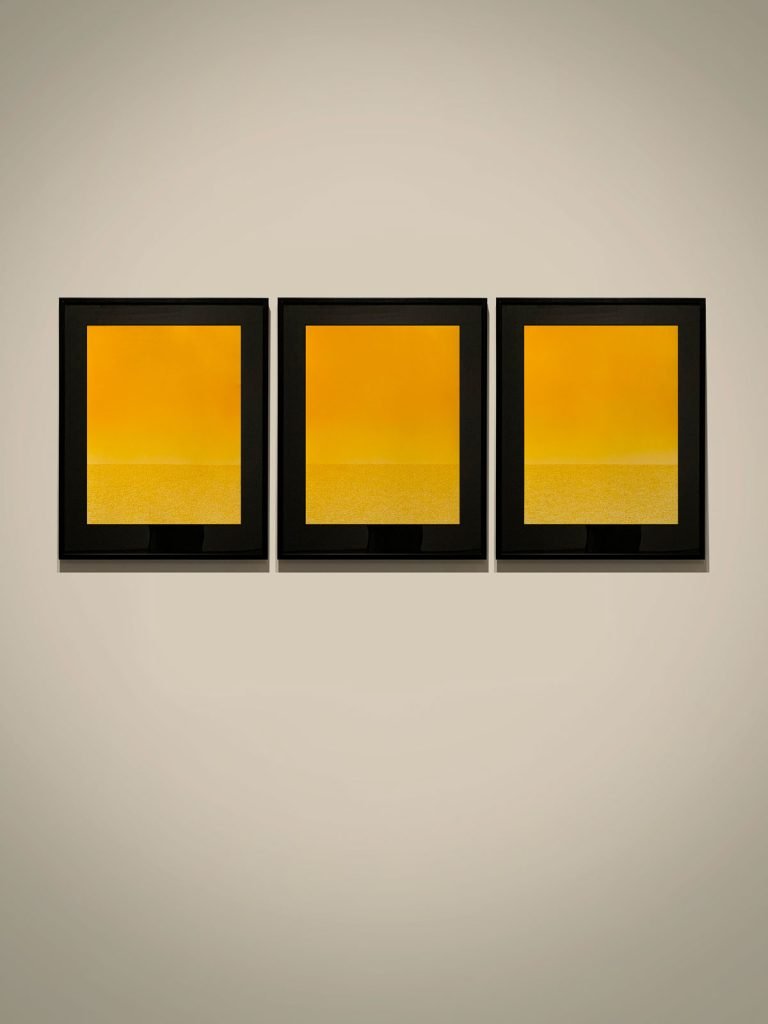
The Weight of Light
2023 · Ink and acrylics on wasli paper · Triptych — 52 × 67 cm each panel
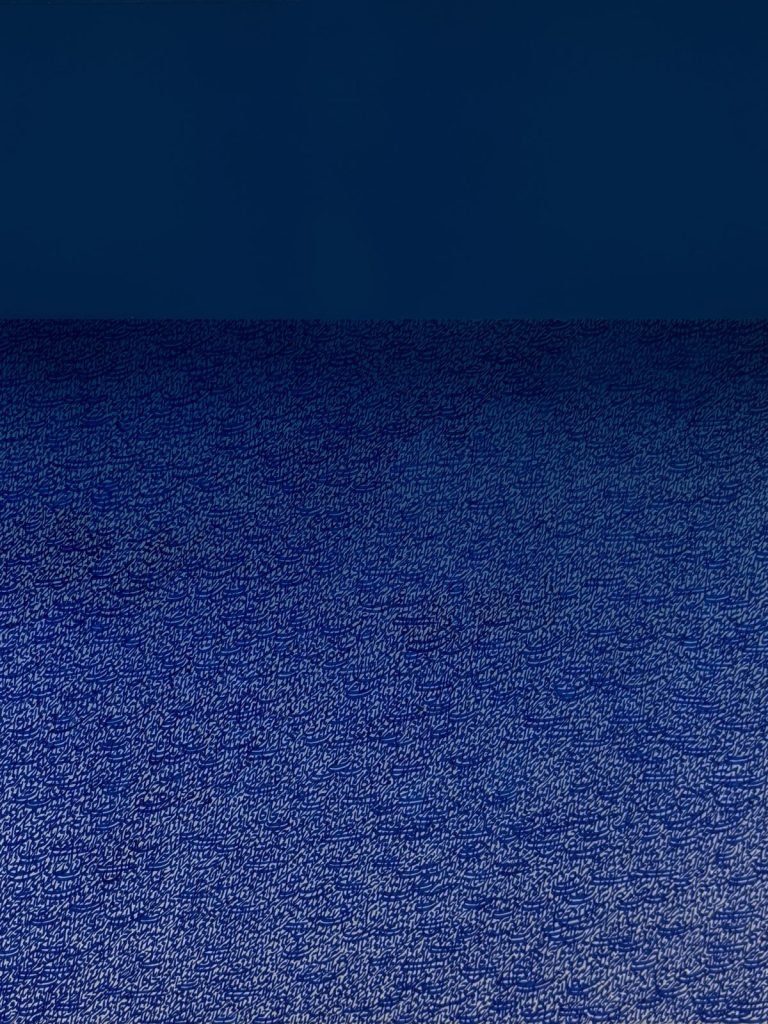
The moment beyond
2023 · Ink and acrylics on wasli paper · 52 × 67 cm
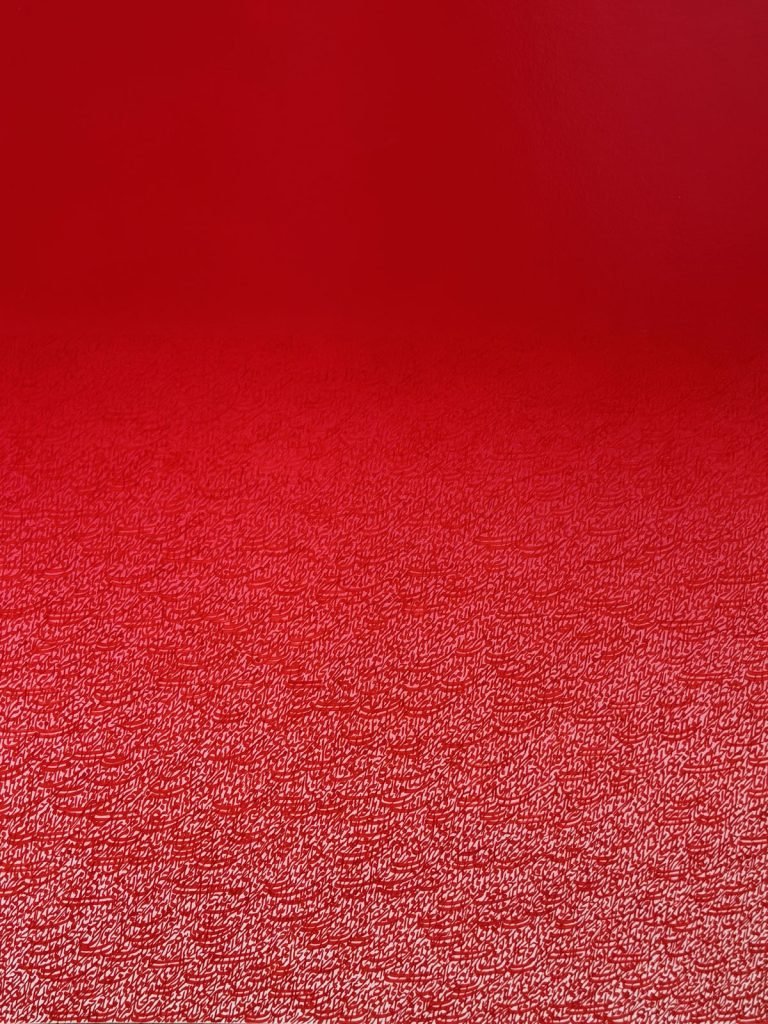
What remains unspoken
2023 · Ink and acrylics on wasli paper · 52 × 67 cm
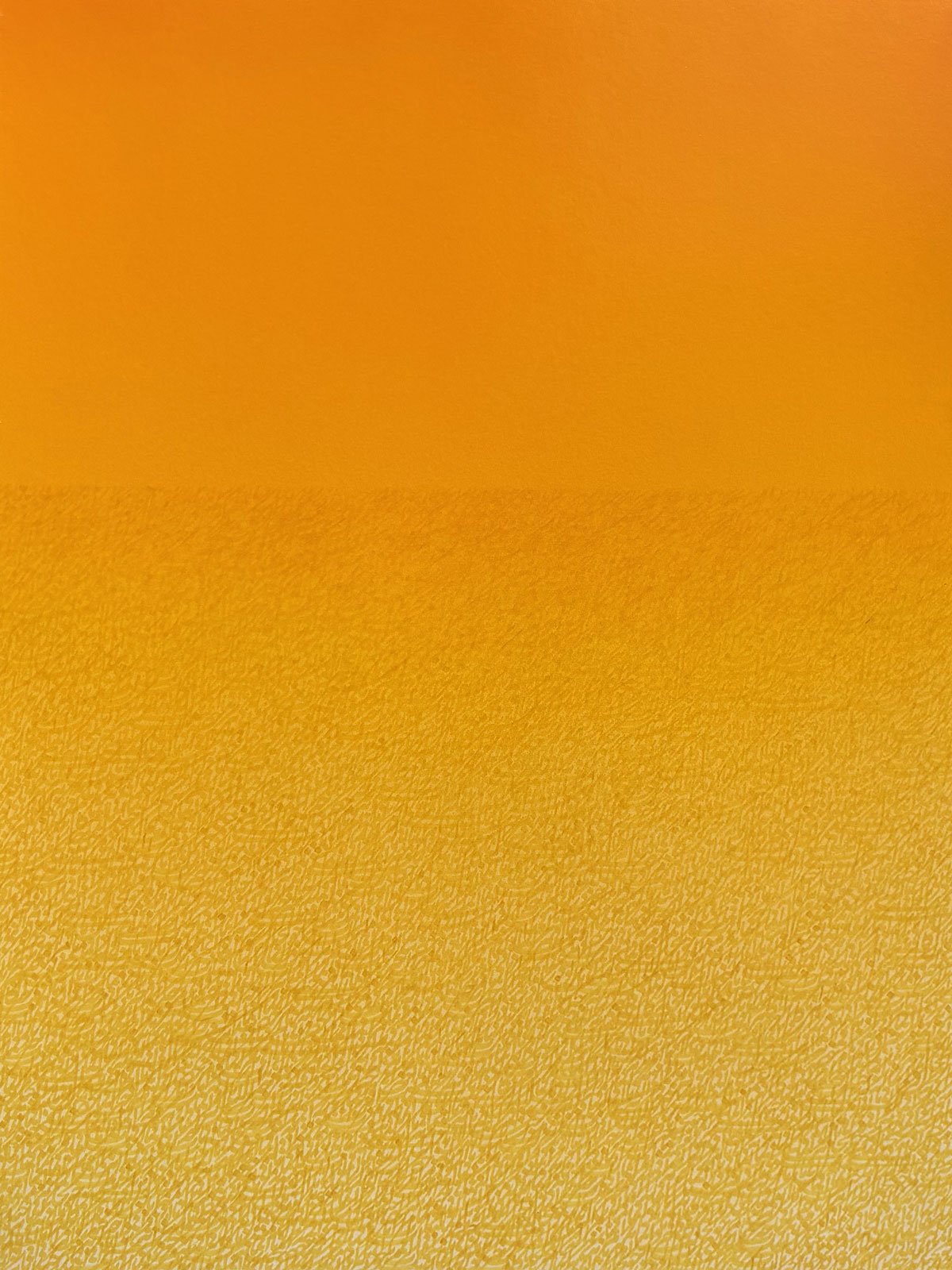
The Window Within
2023 · Ink and acrylics on wasli paper · 52 × 67 cm
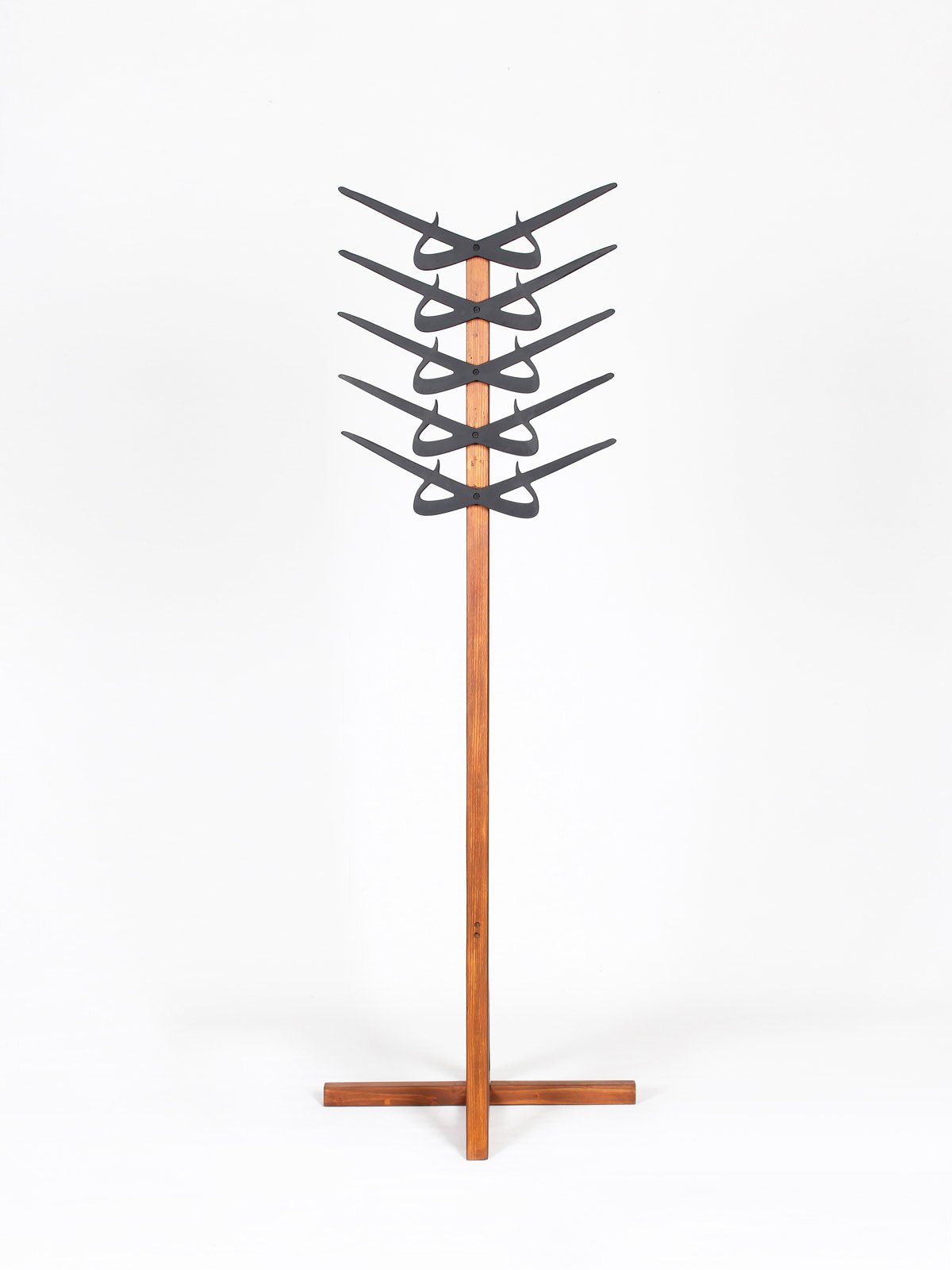
Last words
2019 · Wood, metal and acrylic paint · 157 x 60 x 19 cm
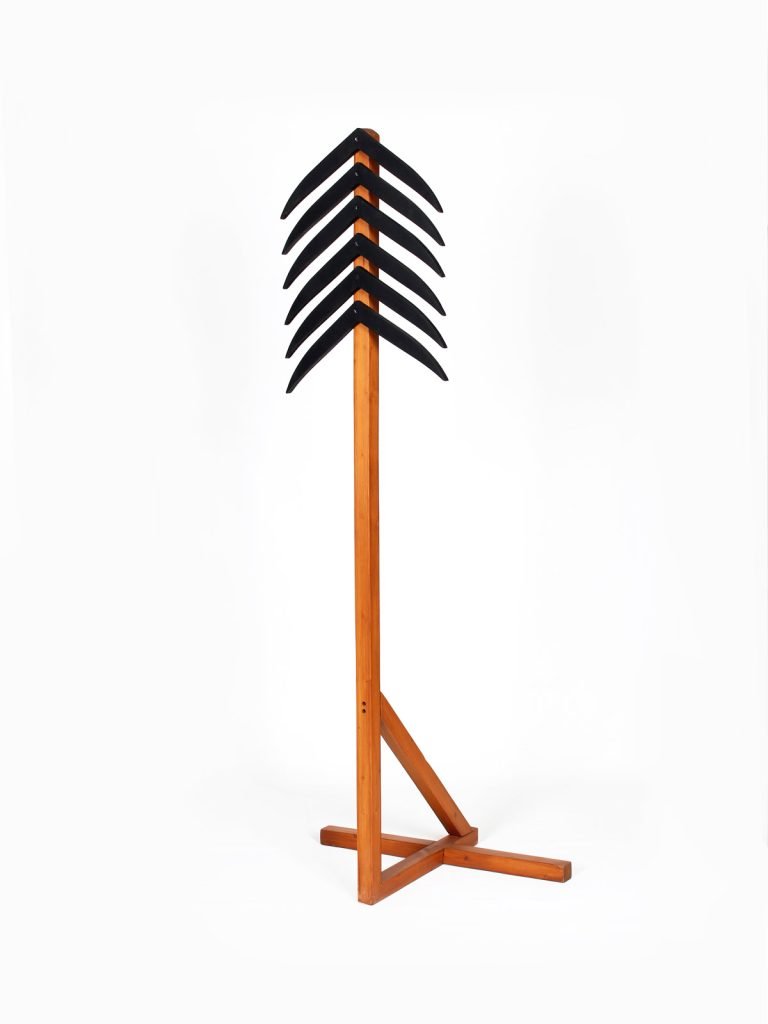
This or That
2019 · Wood, metal, perspex, string and acrylic paint · 157 x 60 x 46 cm
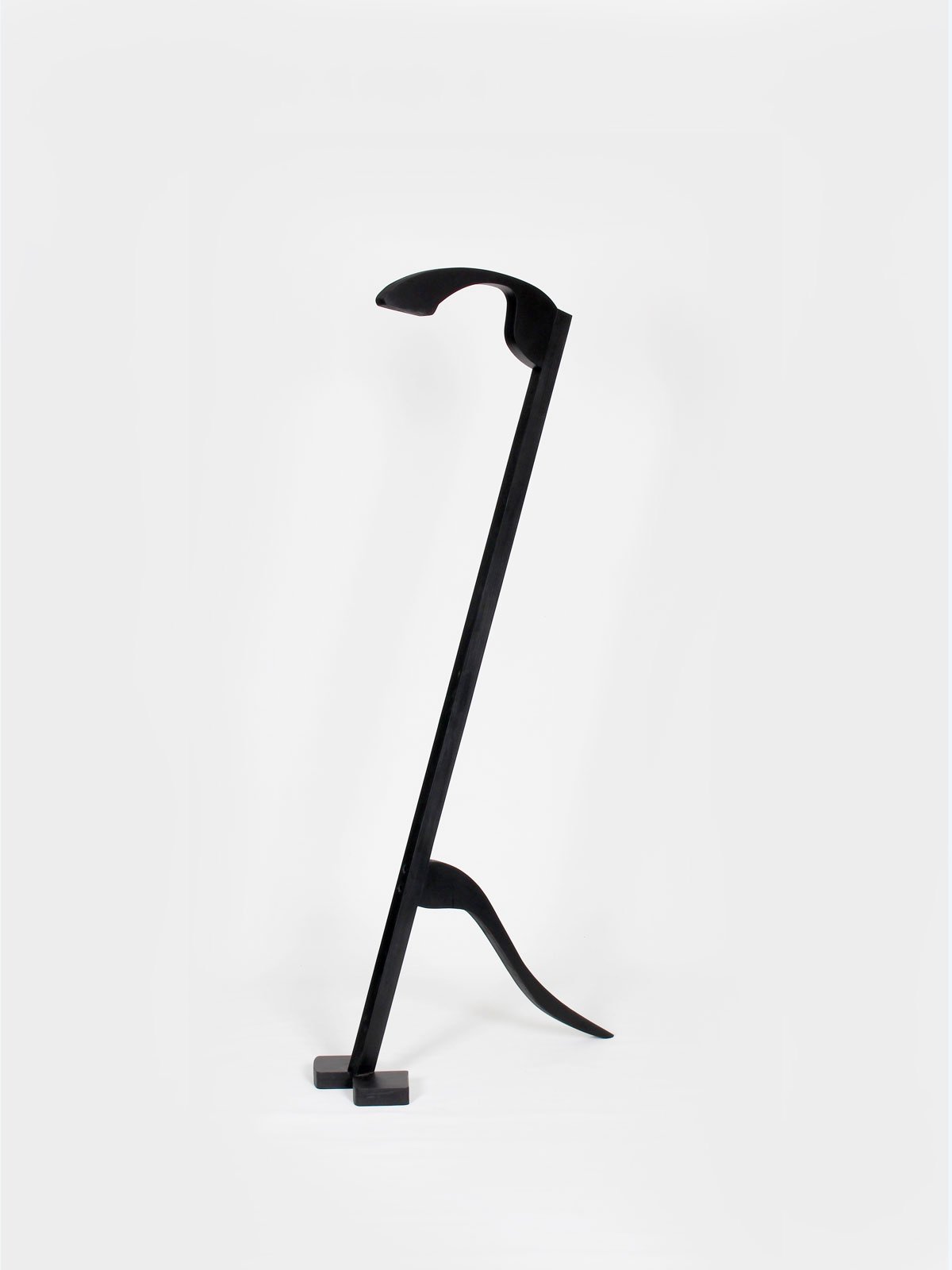
Don’t say that
2019 · Wood and acrylic paint · 148 x 24 x 60 cm
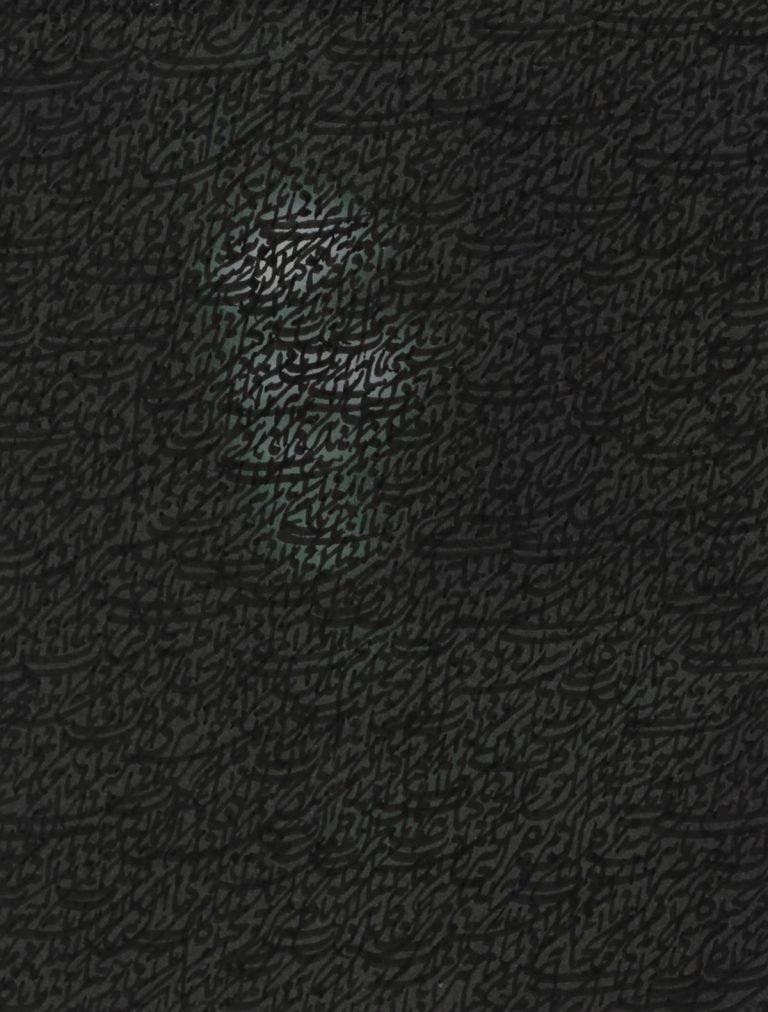
We will meet again III
2018 · Ink and print wasli paper · 6 x 8 inches
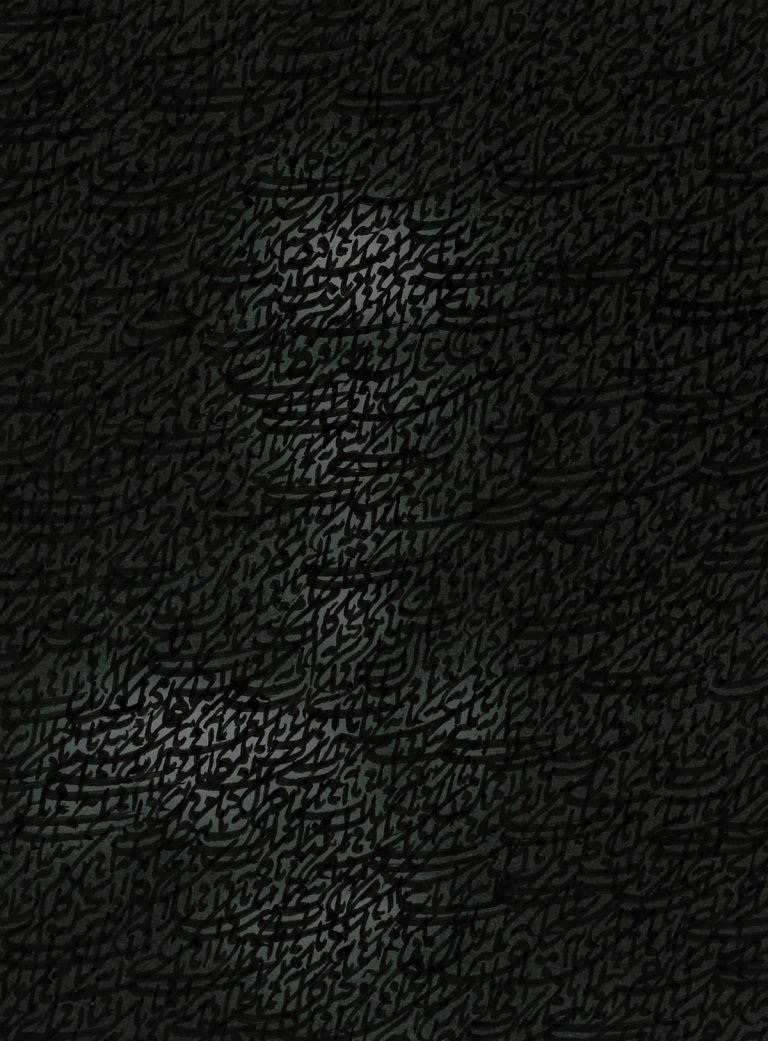
We will meet again II
2018 · Ink and print wasli paper · 6 x 8 inches
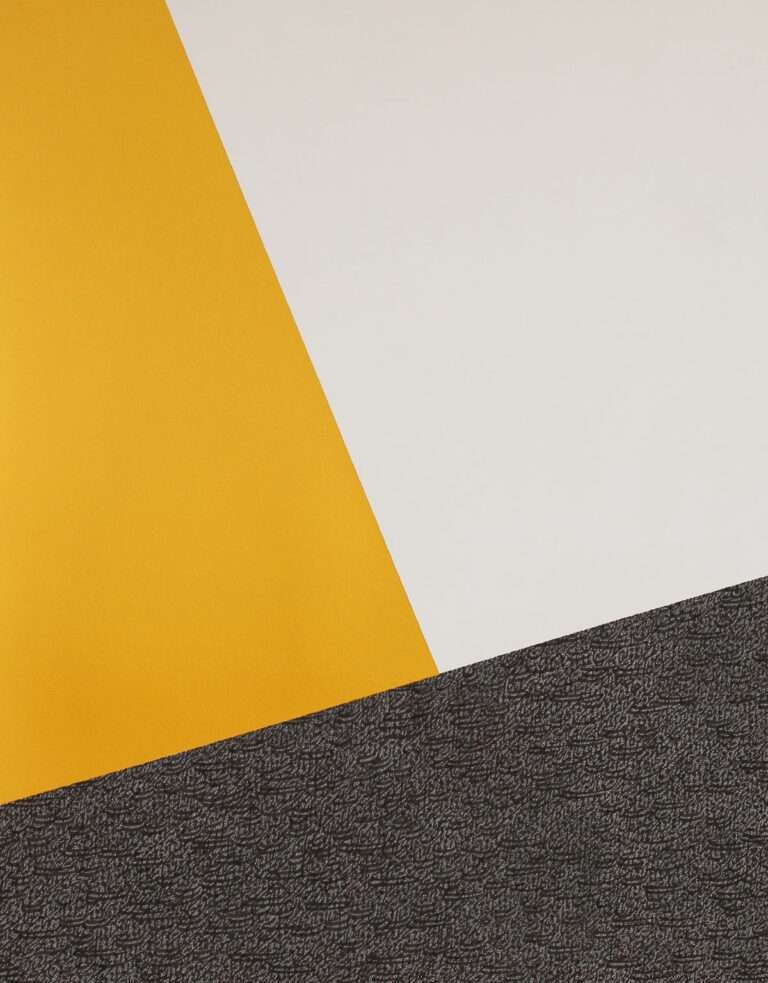
It is continuous
2018 · Ink and collage on wasli paper · 20 x 26 inches
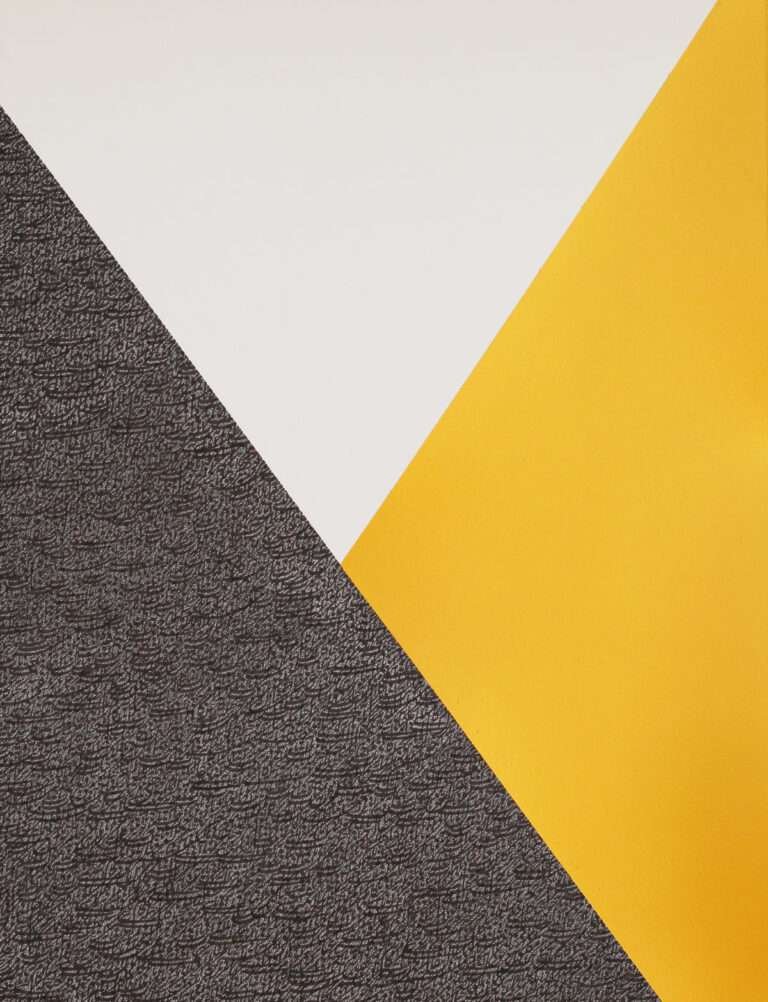
Found him everywhere except
2018 · Ink and acrylics on wasli paper · 20 x 26 inches
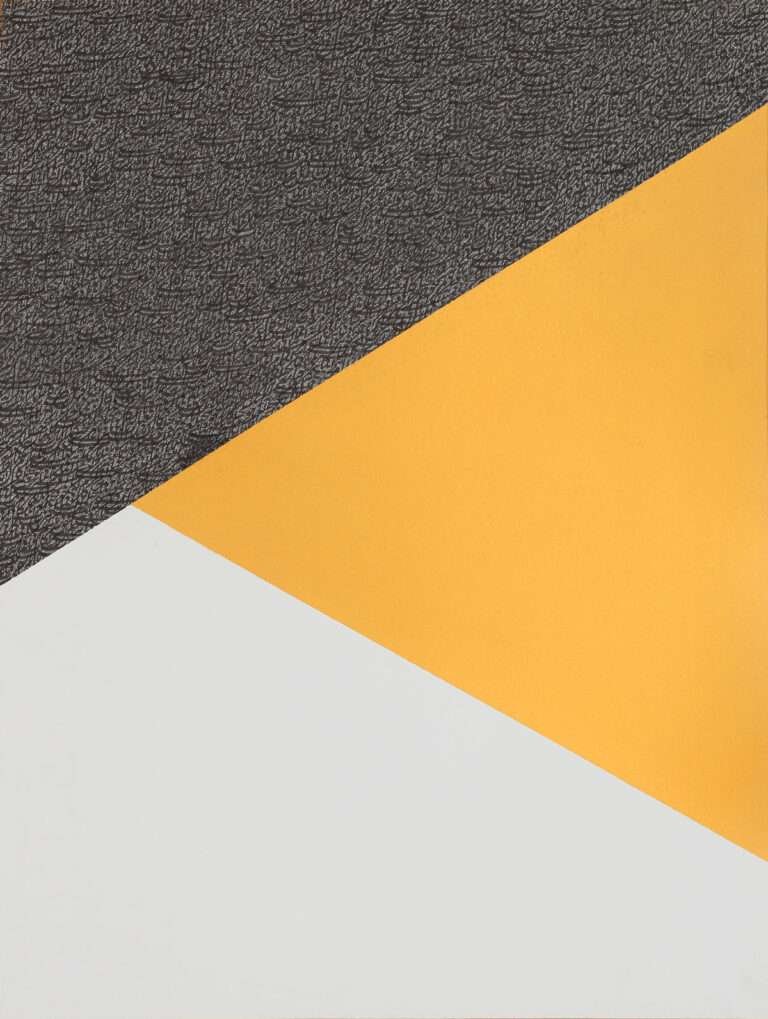
Two days
2018 · Ink and acrylics on wasli paper · 20 x 26 inches
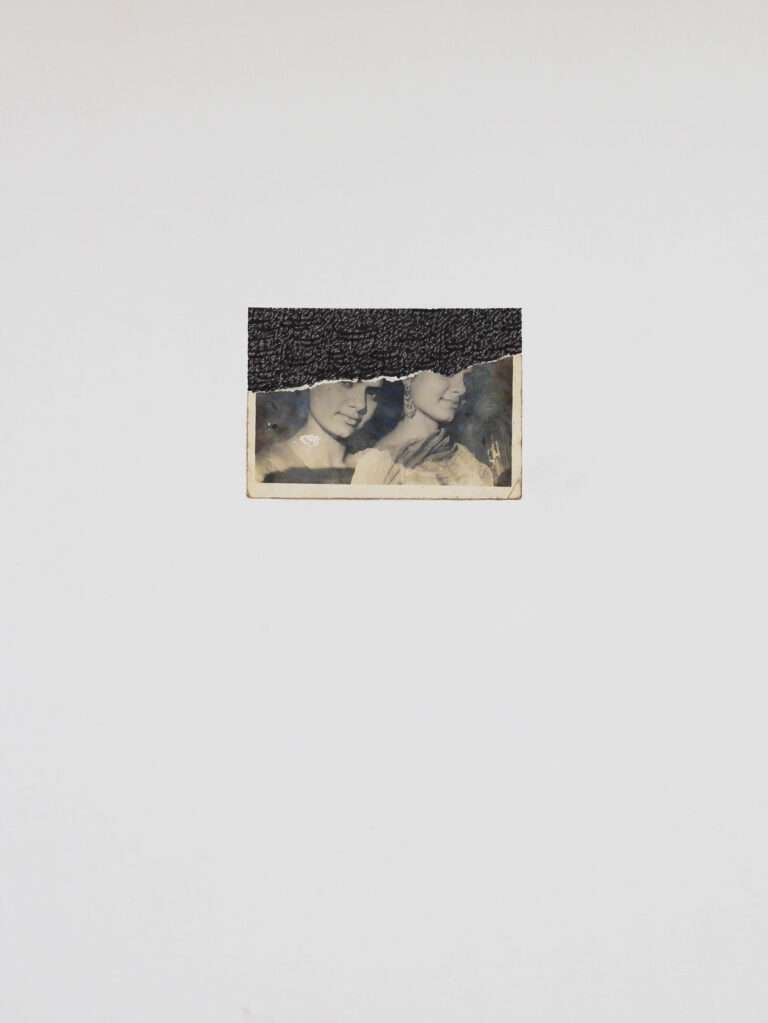
Ever present
2018 · Ink and collage on wasli paper · 20 x 26 inches
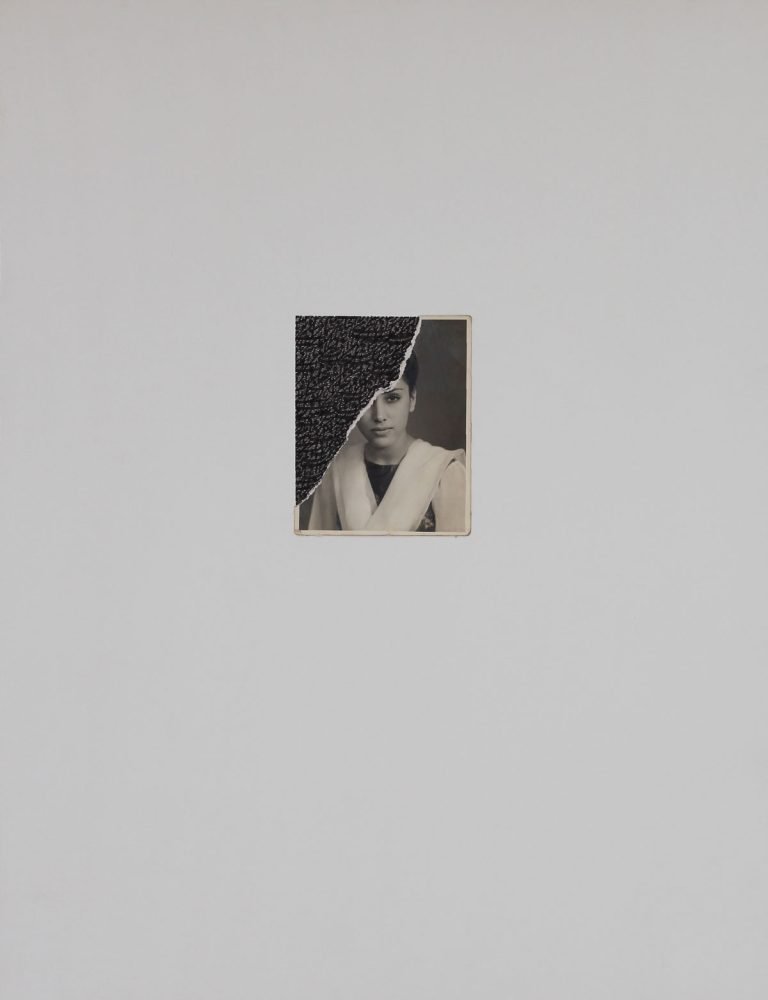
The valley of scent
2018 · Ink and collage on wasli paper · 20 x 26 inches
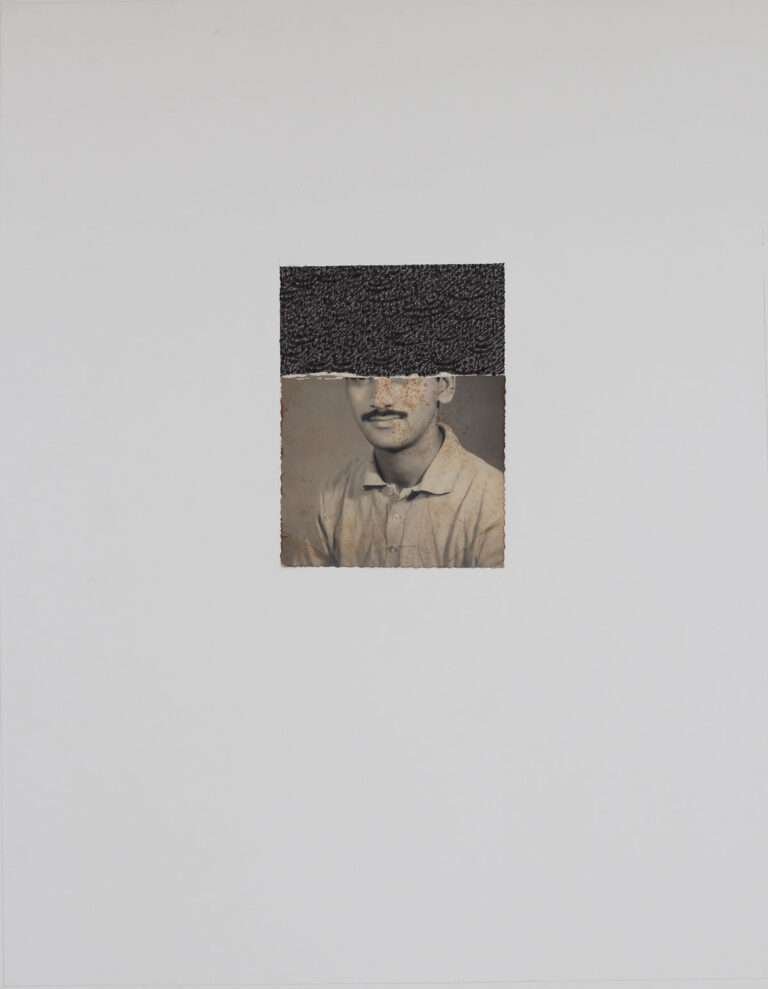
To smell it again
2018 · Ink and collage on wasli paper · 20 x 26 inches
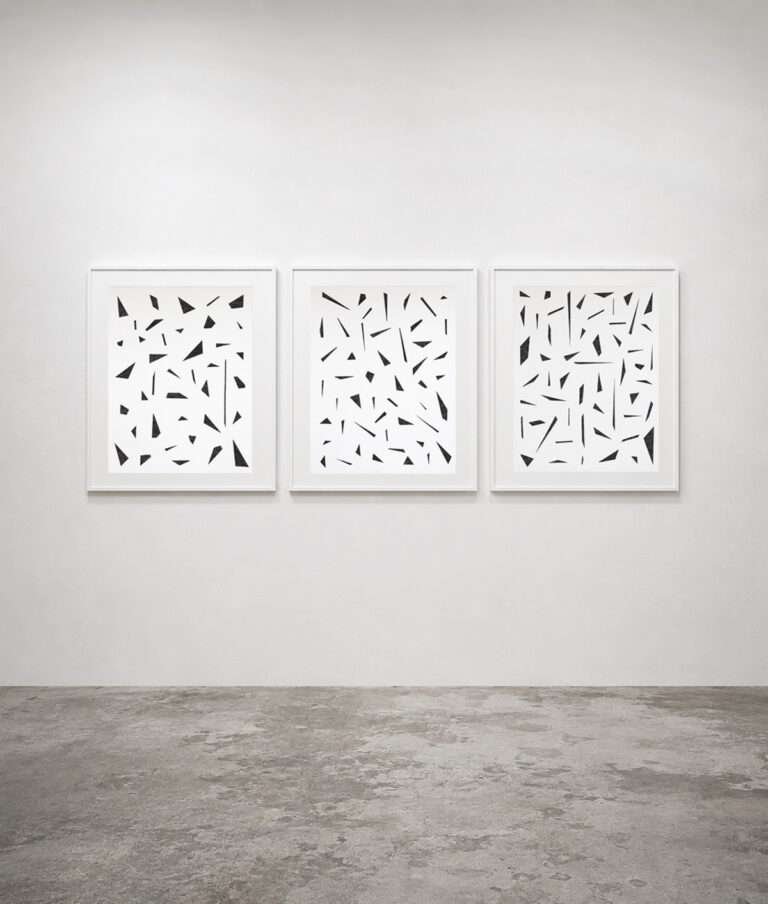
Into a thousand pieces
2018 · Ink and collage on wasli paper · 3 panels, 20 x 26 inches
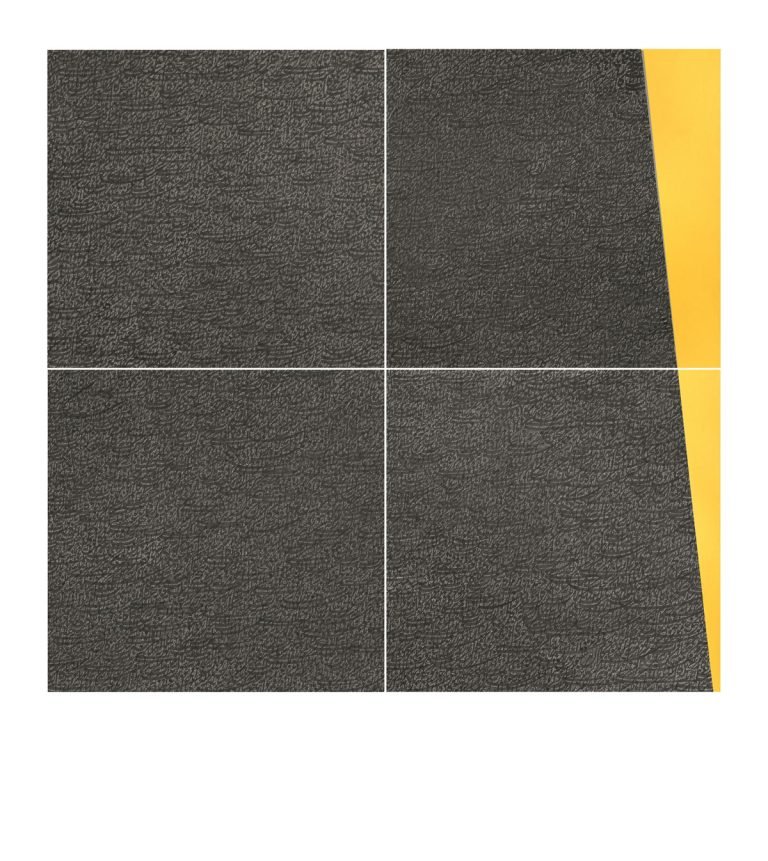
Golden edge
2018 · Ink and acrylics on wasli paper · 42 x 42 inches
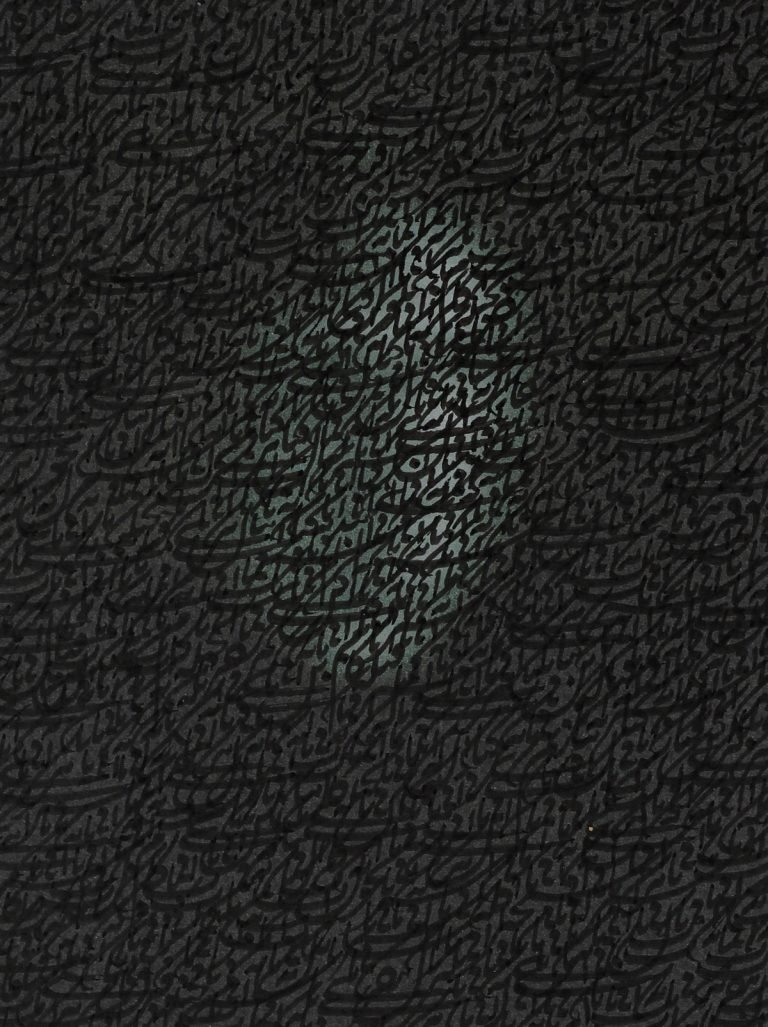
We will meet again I
2018 · Ink and print wasli paper · 6 x 8 inches
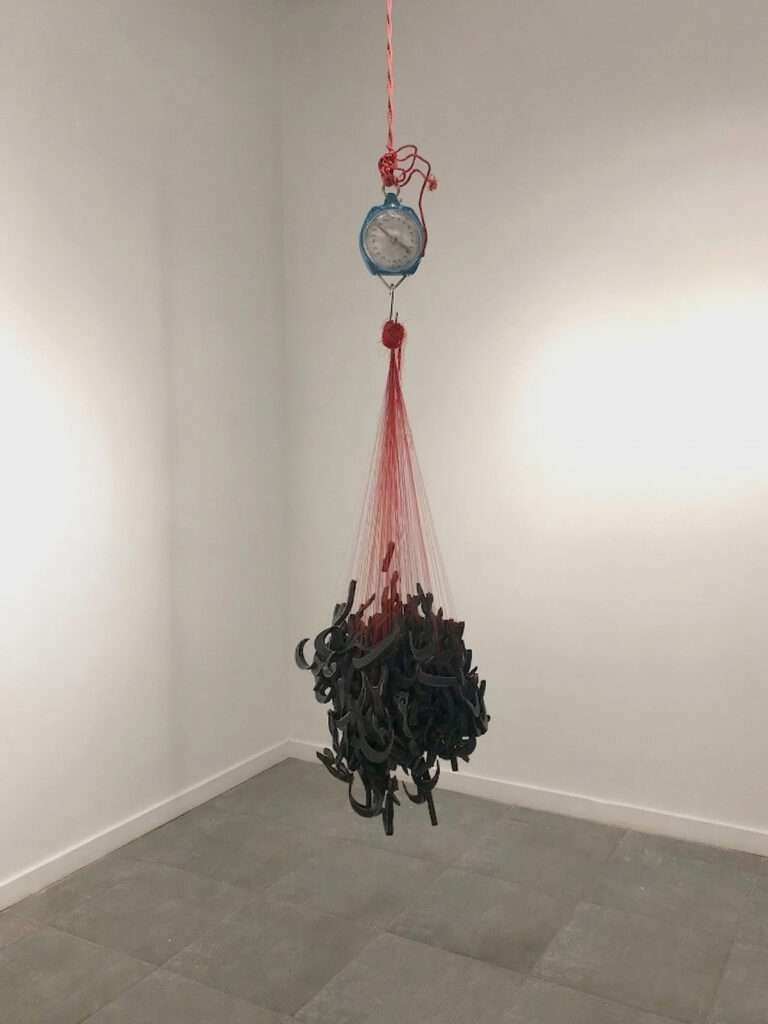
Looking for weight in the words
2018 · Acrylics on wood, weight machine, thread · 60 x 28 inches
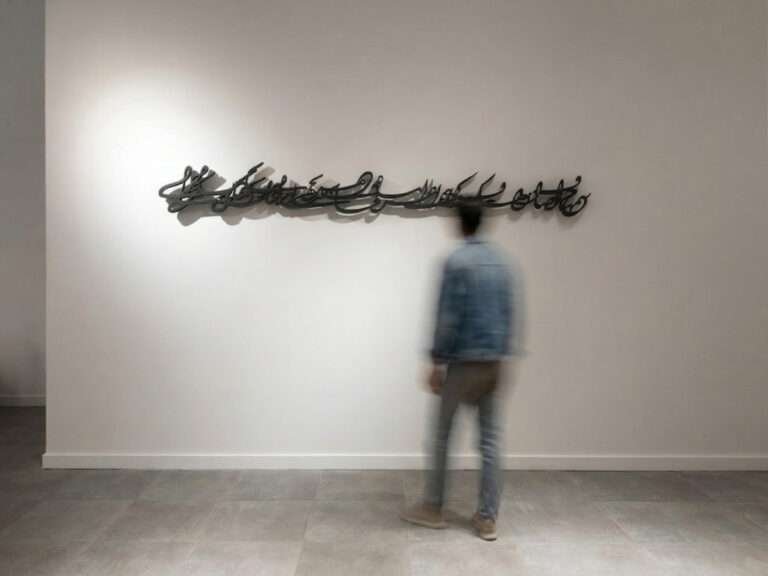
Endless rambling
2018 · Acrylics on wood · 94 x 12 inches
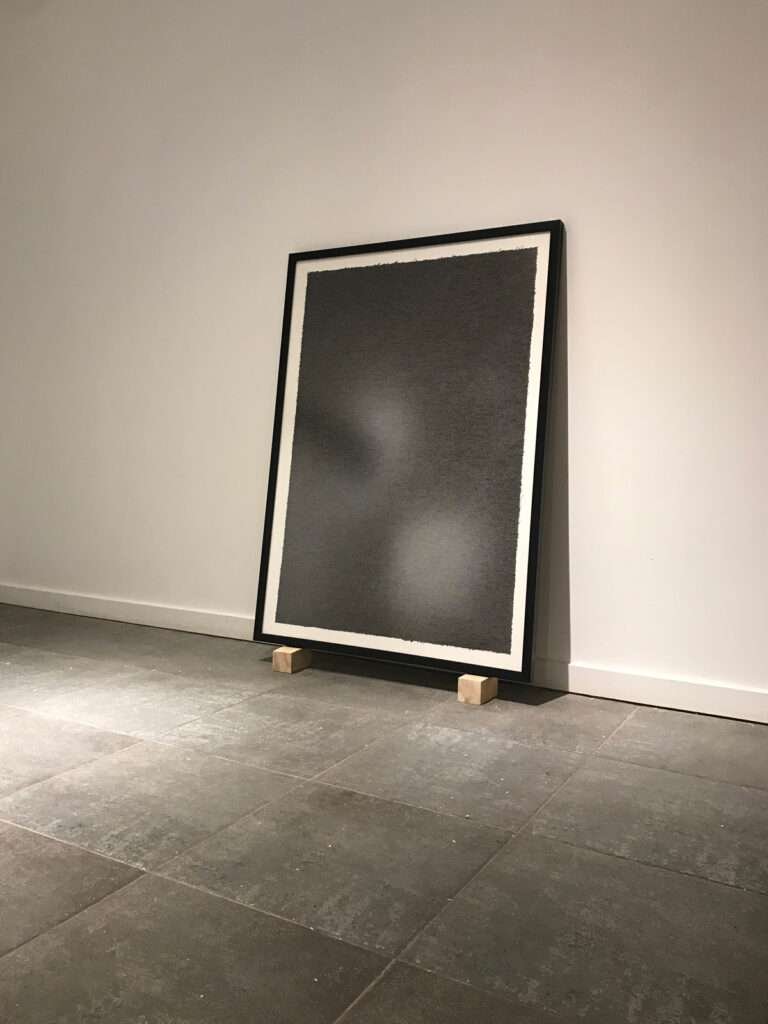
Drivel
2018 · Ink on wasli paper · 36 x 48 inches
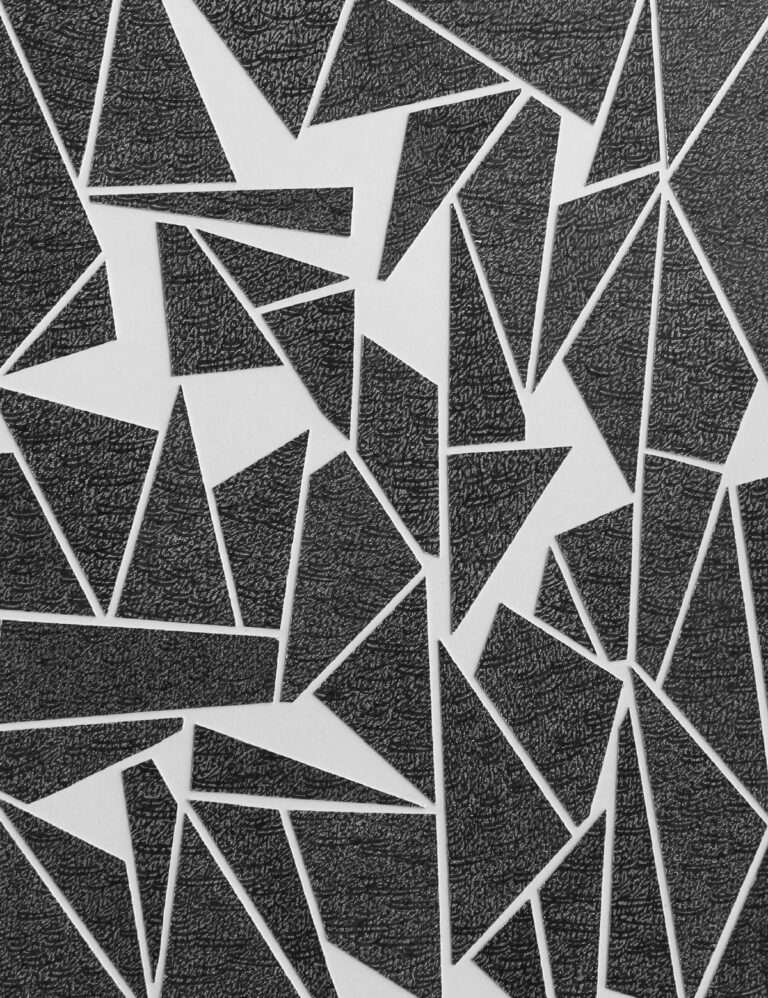
Making sense
2017 · Ink and collage on wasli paper · 20 x 26 inches
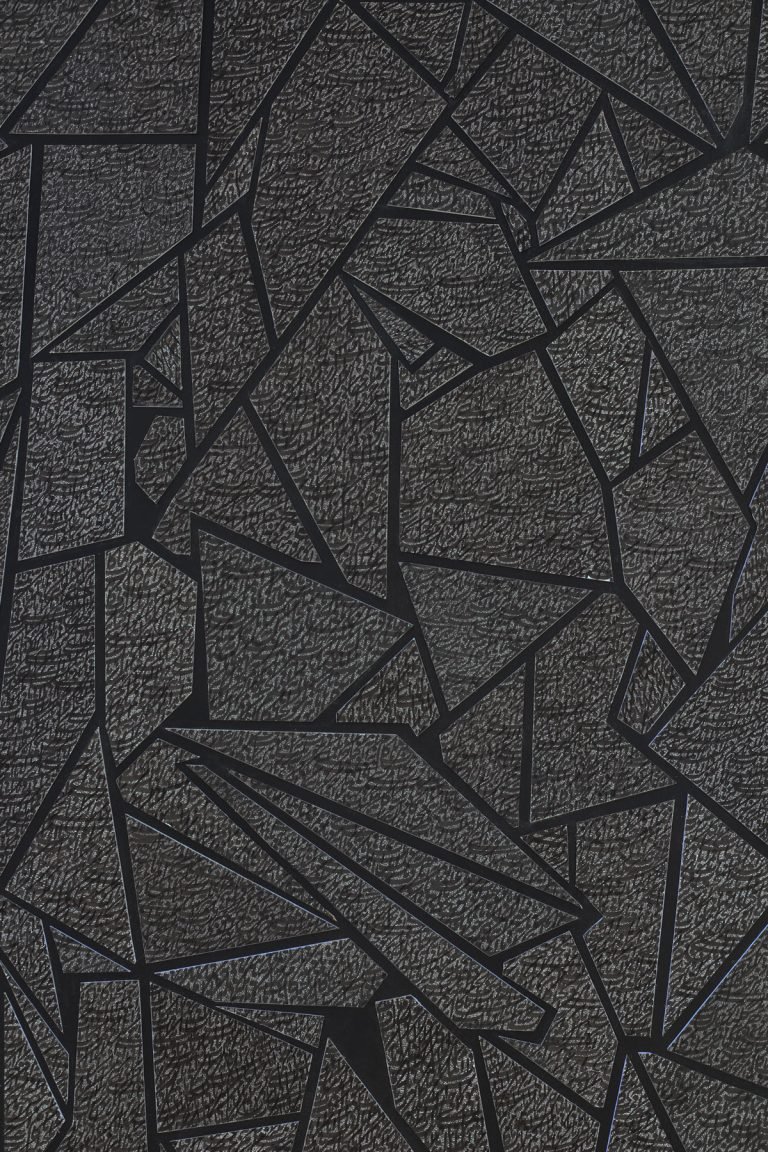
He was like time
2017 · Ink and collage on wasli paper · 38 x 58 inches
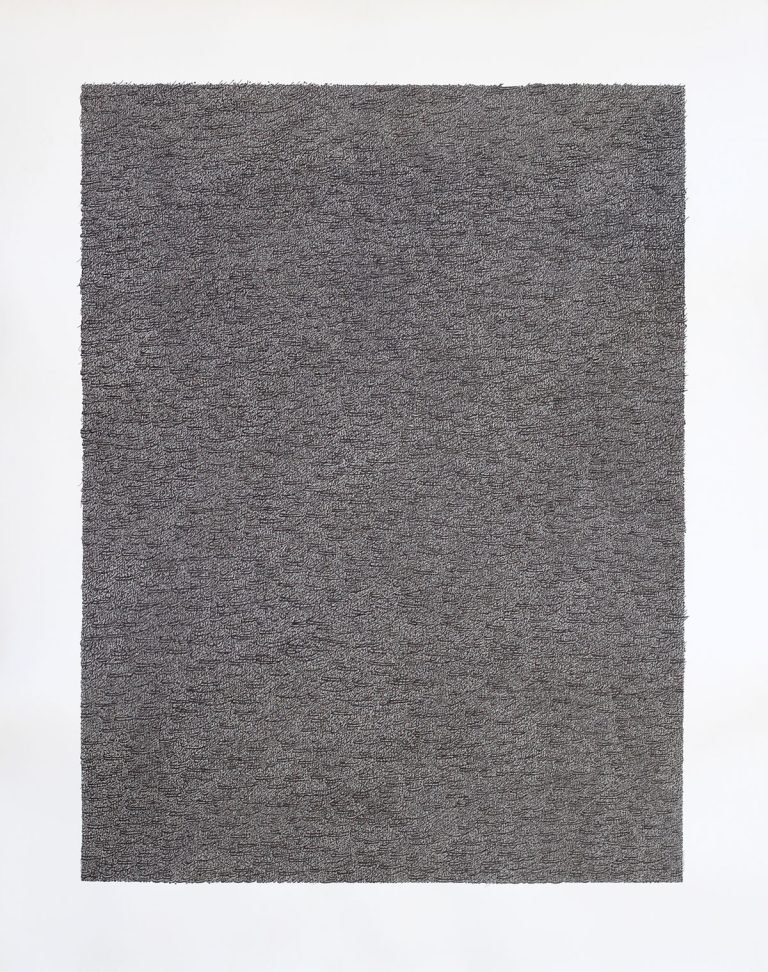
Silent Noise
2017 · Ink on wasli paper · 47 x 59 inches