In Muzzumil Ruheel’s sculpture, language leaves the page and enters the room. Letters and words are cut, bent, painted, suspended and assembled in wood, MDF, cane, string, metal, paint and found weights — not as signs to be read, but as objects that take up space, carry weight and change as you walk around them.
His training in Urdu, Persian and Arabic calligraphy gives him an exact sense of the letterform: its proportion, balance and movement. In sculpture that knowledge becomes physical. Each one starts from an idea — a phrase, a conversation, a historical account, a hesitation — and the form is how that idea is thought through.
Words that stay visible
When we read, a word disappears into its meaning almost instantly. Ruheel’s sculptures stop that from happening. In works such as Weighting the Words Again, Hanging in the Middle, Let Me Think Again, Incomplete Words, What to Write and Meem, language is given weight, balance and position. A word can hang, lean, block a path or hold itself in tension, and the materials are part of the idea rather than a support for it.
In the exhibition Baaton se baat nikalti hai at TARQ, Mumbai, the sculptures grew out of conversation itself — its presence and absence, its repetitions and interruptions. Alphabets were twisted, mirrored, repeated and isolated until no single meaning could be pulled from them, leaving the viewer between language as communication and language as form.
History as a physical structure
In Son of Punjab, developed for the Lahore Biennale, Ruheel proposed a monument to Rai Abdullah Bhatti, known as Dullah. Seen from above, the structure reads “DULLAH”; its sides carry contradictory accounts of the same figure, drawn from official records and local folklore. The sculpture holds competing histories together instead of choosing one — asking who is written into history, and who is left out.
Augmented reality: sculpture you cannot see
In Meeting Point, presented at India Art Fair in 2022, the sculptures exist only through the camera of a phone or tablet. Viewers find them in their own surroundings — “ghost words” that gather unheard in the spaces around us. In Ha Ha Ha, the Urdu syllable “Ha” is repeated into a spring-like form; Point, No, Ummm and Wow turn small fragments of speech into hovering, twisting bodies. The viewer’s own movement becomes part of the work.
Recent work
In A Quiet Wildness (2026), painted mild steel turns unsaid words into creature-like forms — another step in the same direction: giving a physical presence to language that usually stays unspoken.
One way of working, many forms
Across wood, steel, installation and augmented reality, the question stays the same: how can an idea be given a body without being reduced to an illustration? Ruheel’s sculptures move between reading and looking, between language and object. They do not explain their subject; they place it in front of the viewer and change the way it is seen.
Works
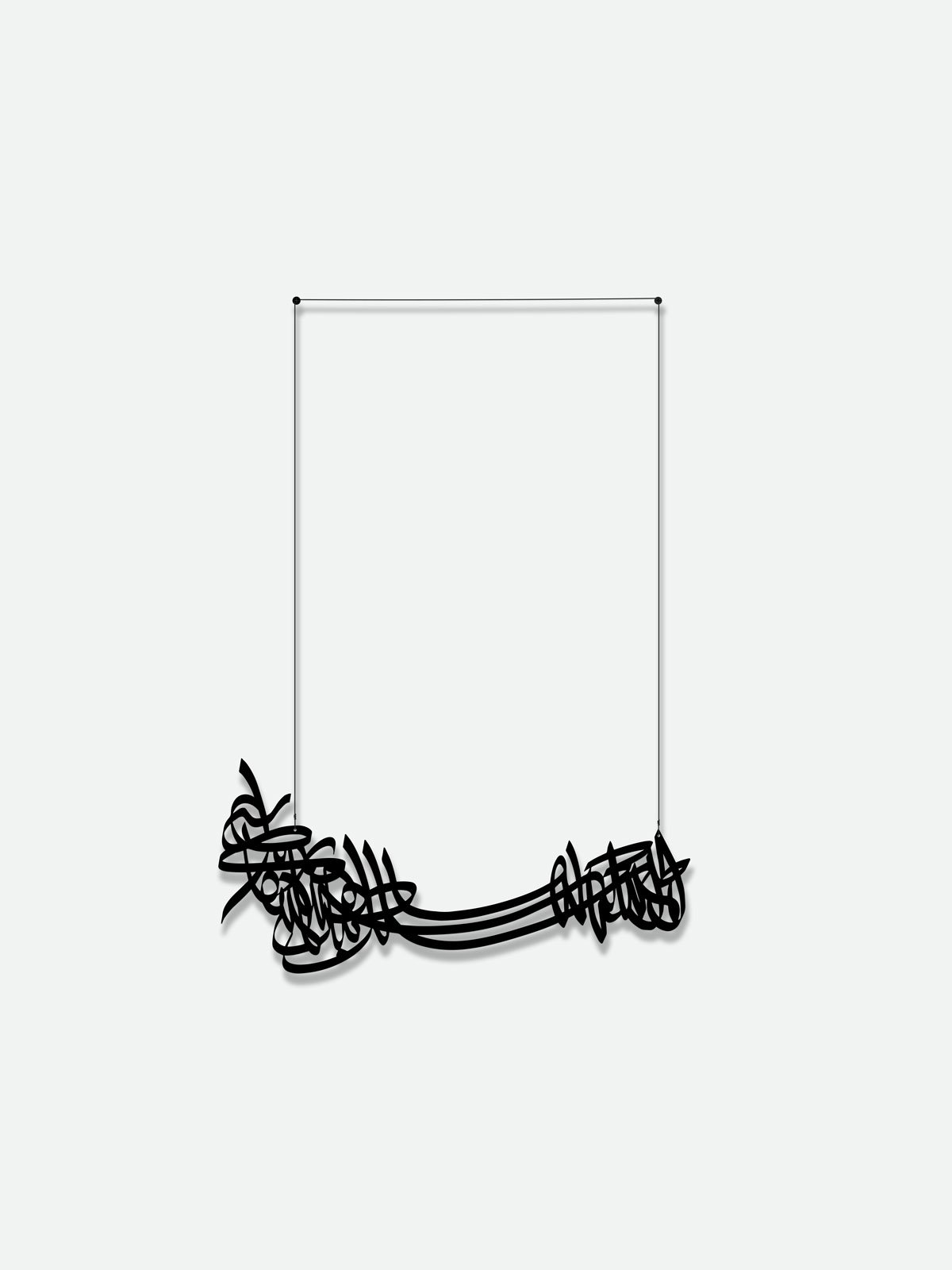
He Listens, I Ramble
2025 · Mild steel, string, screws, and paint · 22 × 30 × 1 in
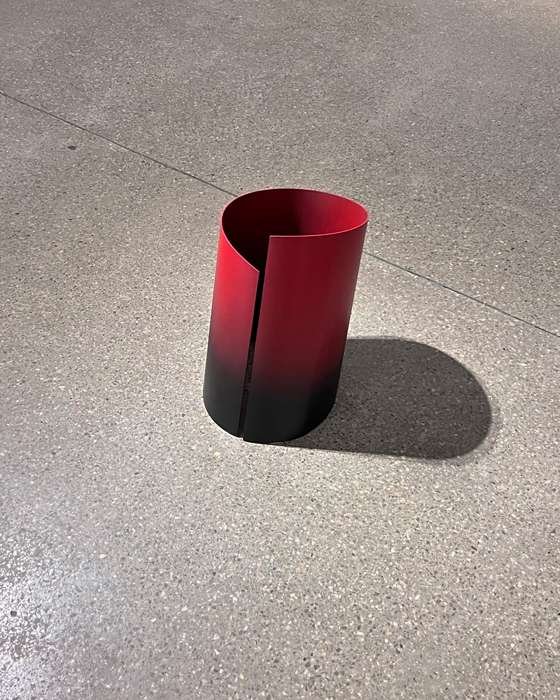
character 12 - round and around
2022 · Oil paint on metal · 11.5 x 13 inches
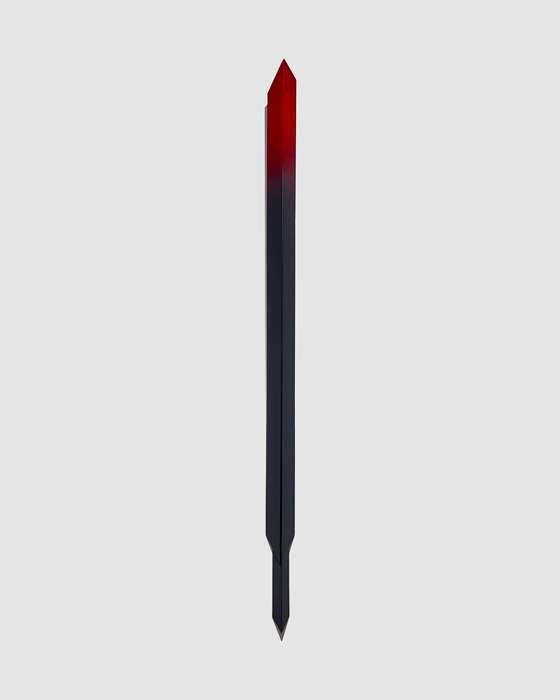
Character 7 options II - long story
2022 · Paint on metal · 60 x 4 inches
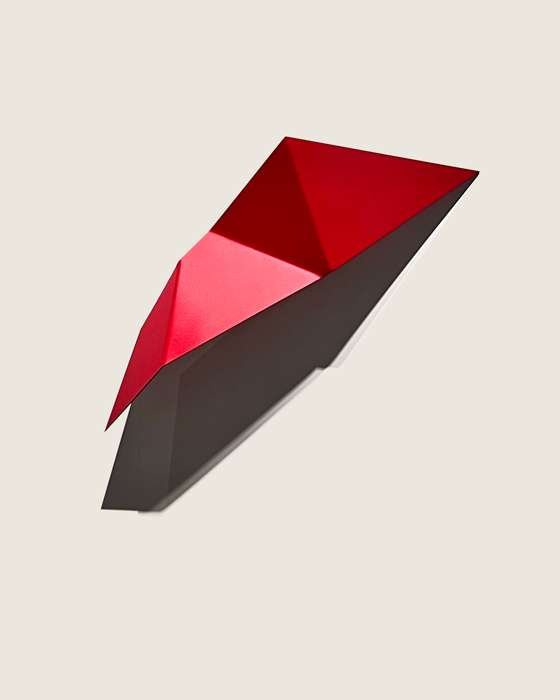
Character 21 - step by step
2022 · Paint on metal · 19 x 24 inches
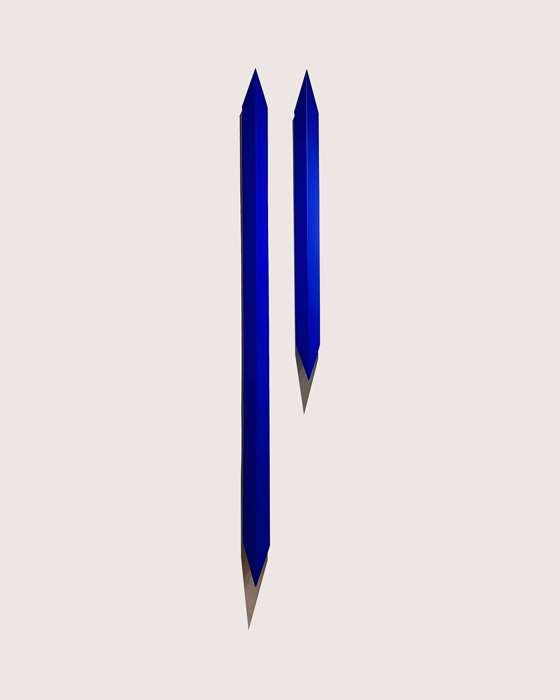
Character 7 option IV - along with this
2022 · Paint on metal · 51 x 9 inches
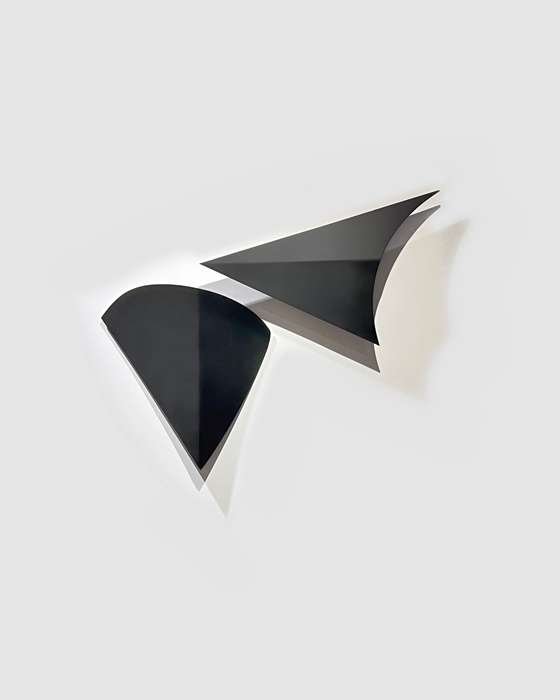
Character 16 - other side
2022 · Paint on metal · 29 x 32 inches
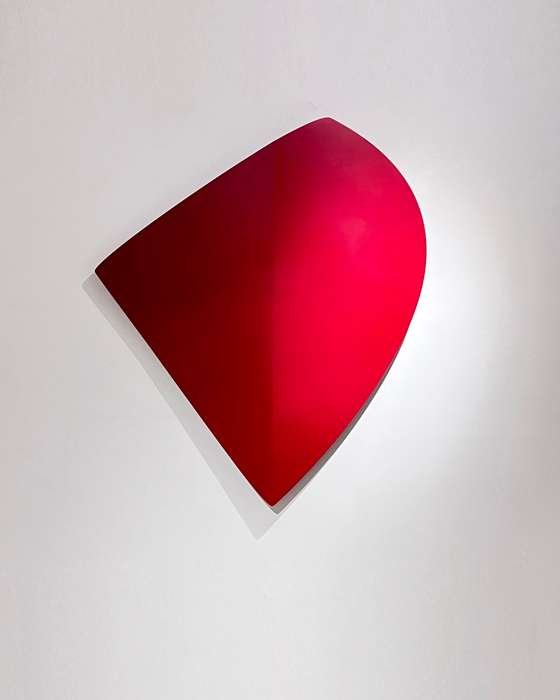
Character 6 - to the point
2022 · Paint on metal · 60 x 51 inches
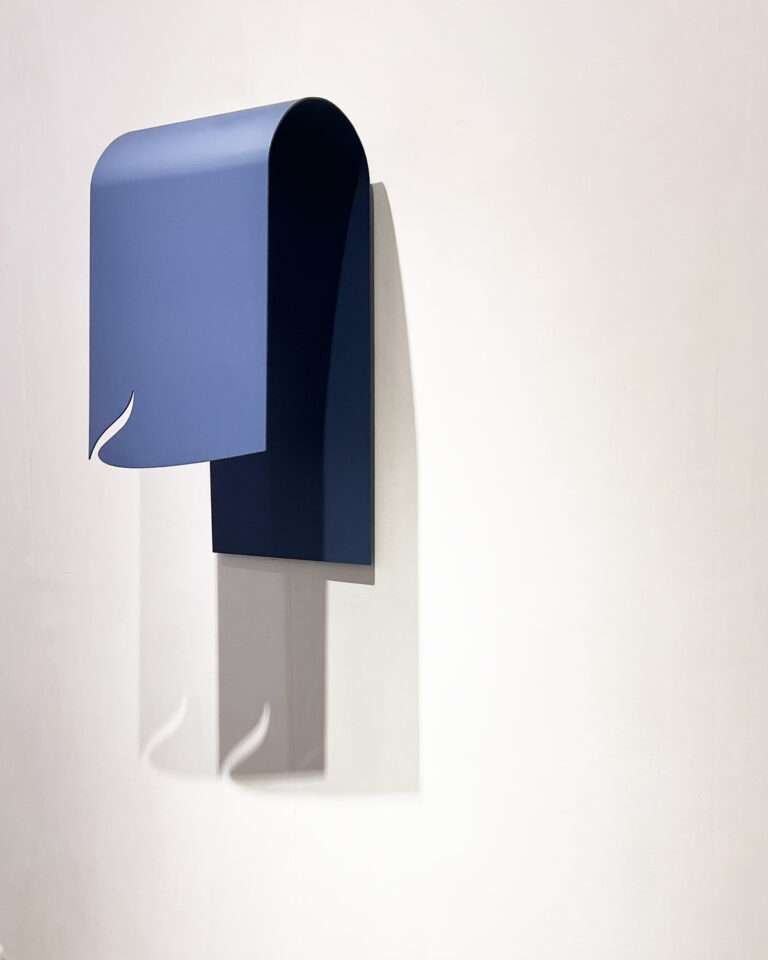
Character 9 option III – u turn
2022 · Paint on metal · 25 x 12 inches
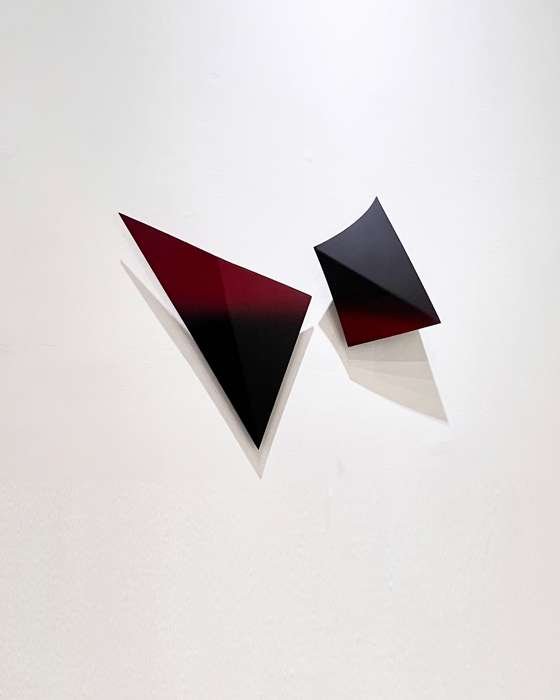
Character 19 - step towards
2022 · Paint on metal · 22 x 30 inches
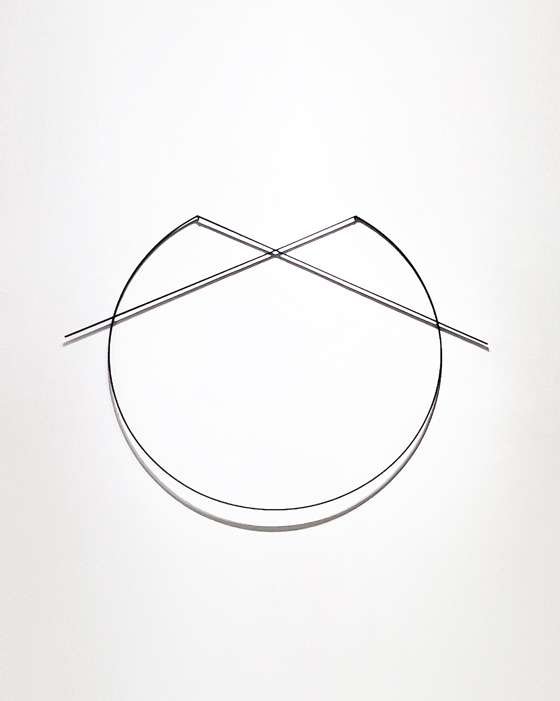
Character 17 - let’s review
2022 · Paint on metal · 47 x 60 inches
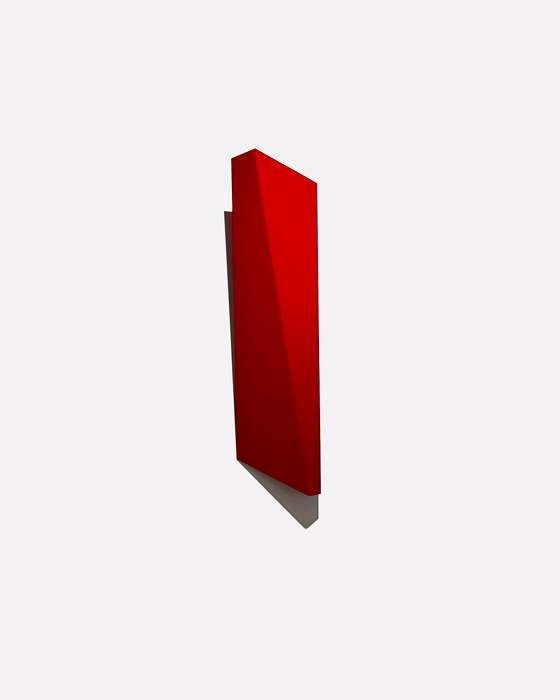
Character 15 - two sides
2022 · Paint on metal · 35 x 9 inches
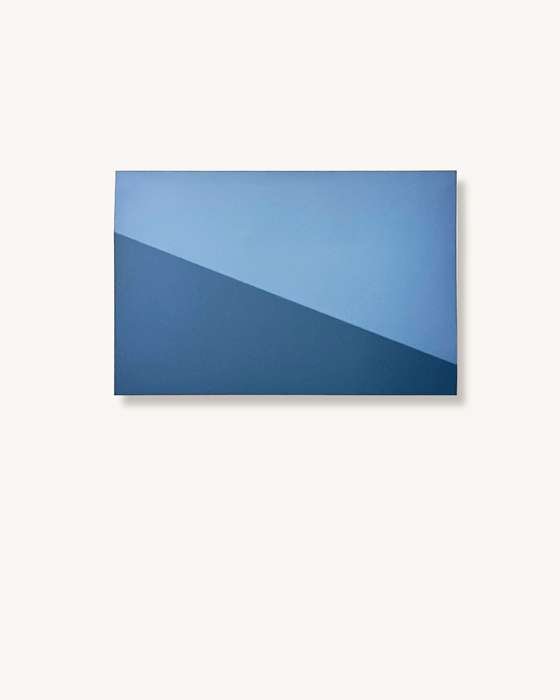
Character 8 - in the sky
2022 · Paint on metal · 18 x 28 inches
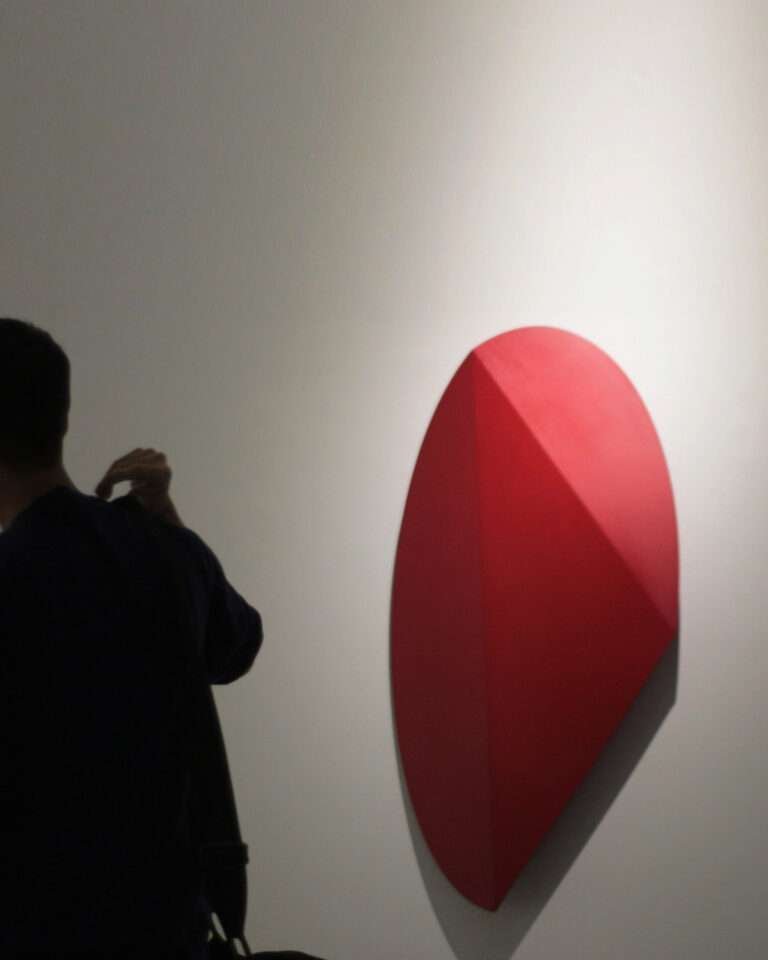
Character 32 - something is missing
2022 · Paint on metal · 38 x 20 inches
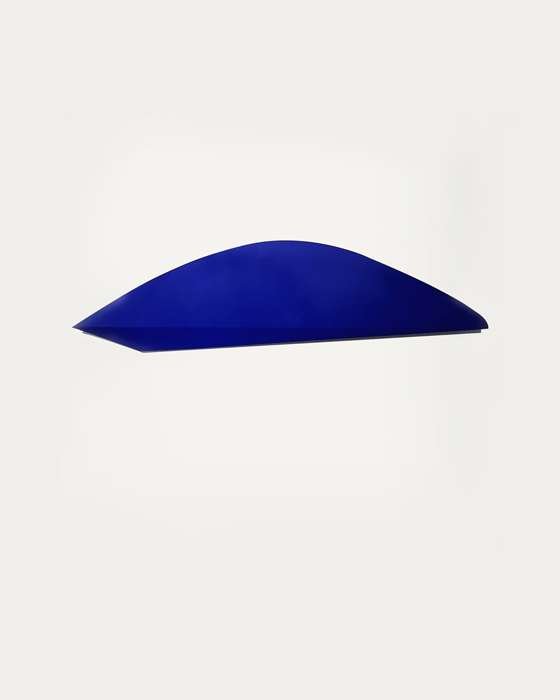
Character 27 - top priority
2022 · Paint on metal · 11 x 46 inches
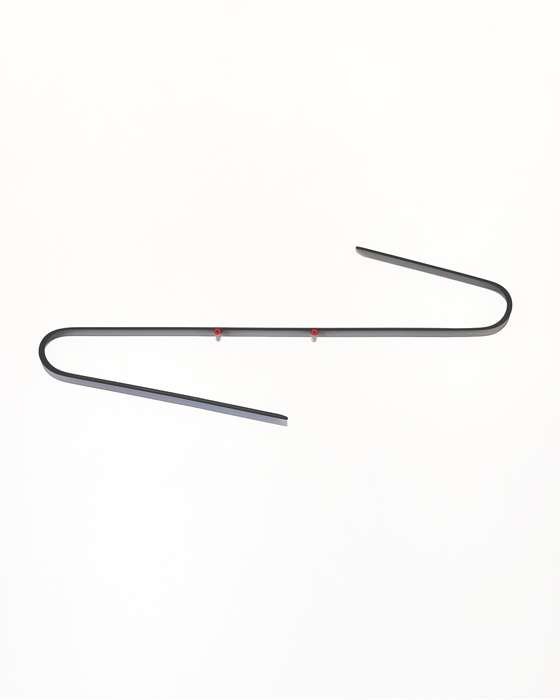
Character 4 line - lets talk about it
2022 · Paint on metal · 26 x 67 inches
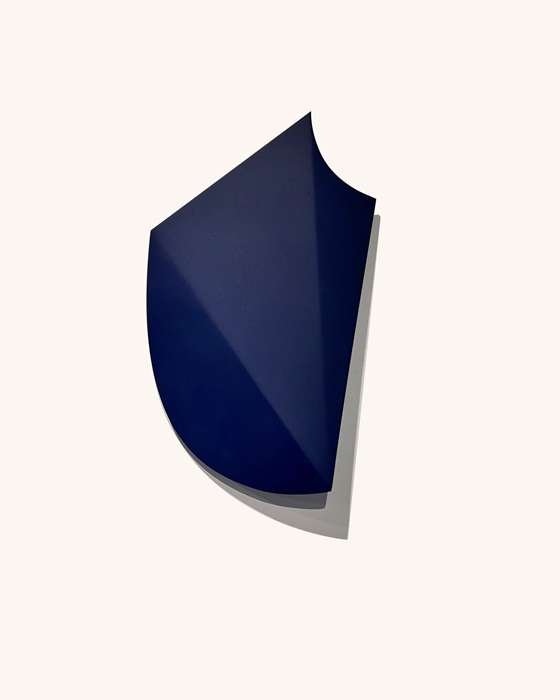
Character 11 option 2 - out of this
2022 · Paint on metal · 15.5 x 9 inches
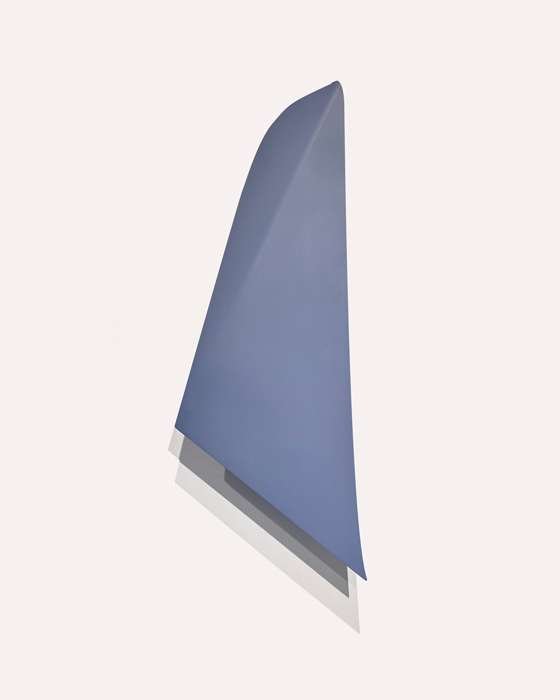
Character 8 - standing point
2022 · Paint on metal · 19.5 x 7 inches
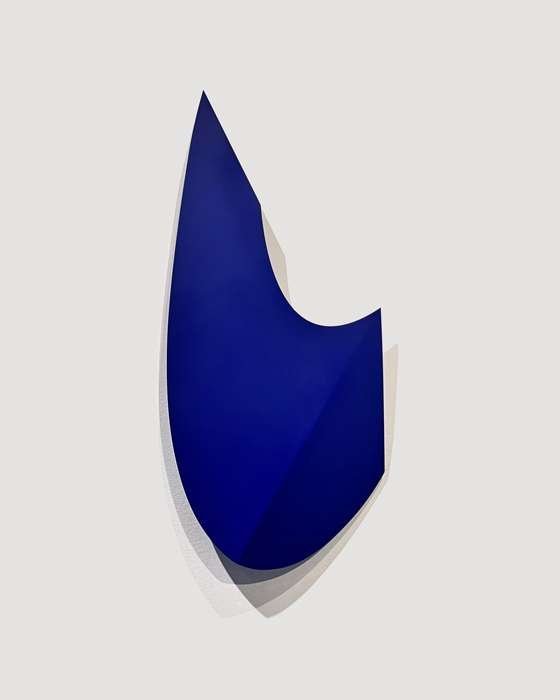
Character 11 - out of this
2022 · Paint on metal · 22 x 10.4 inches
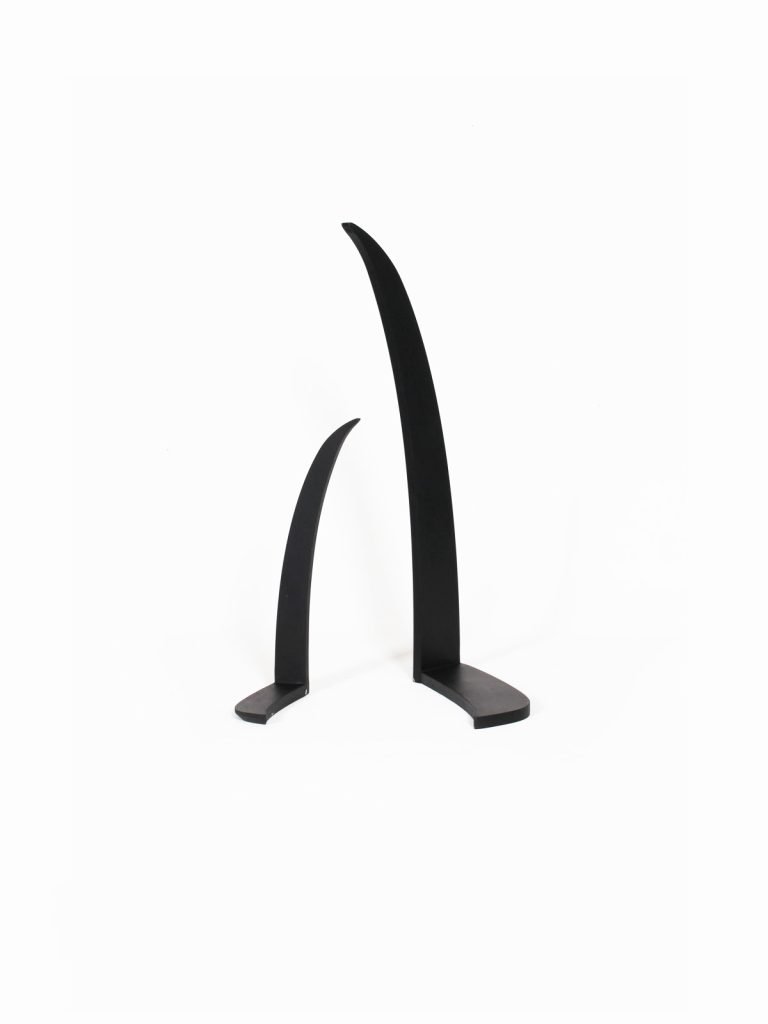
take me with you
2019 · Wood and acrylic paints · 61 x 46 x 36 cm
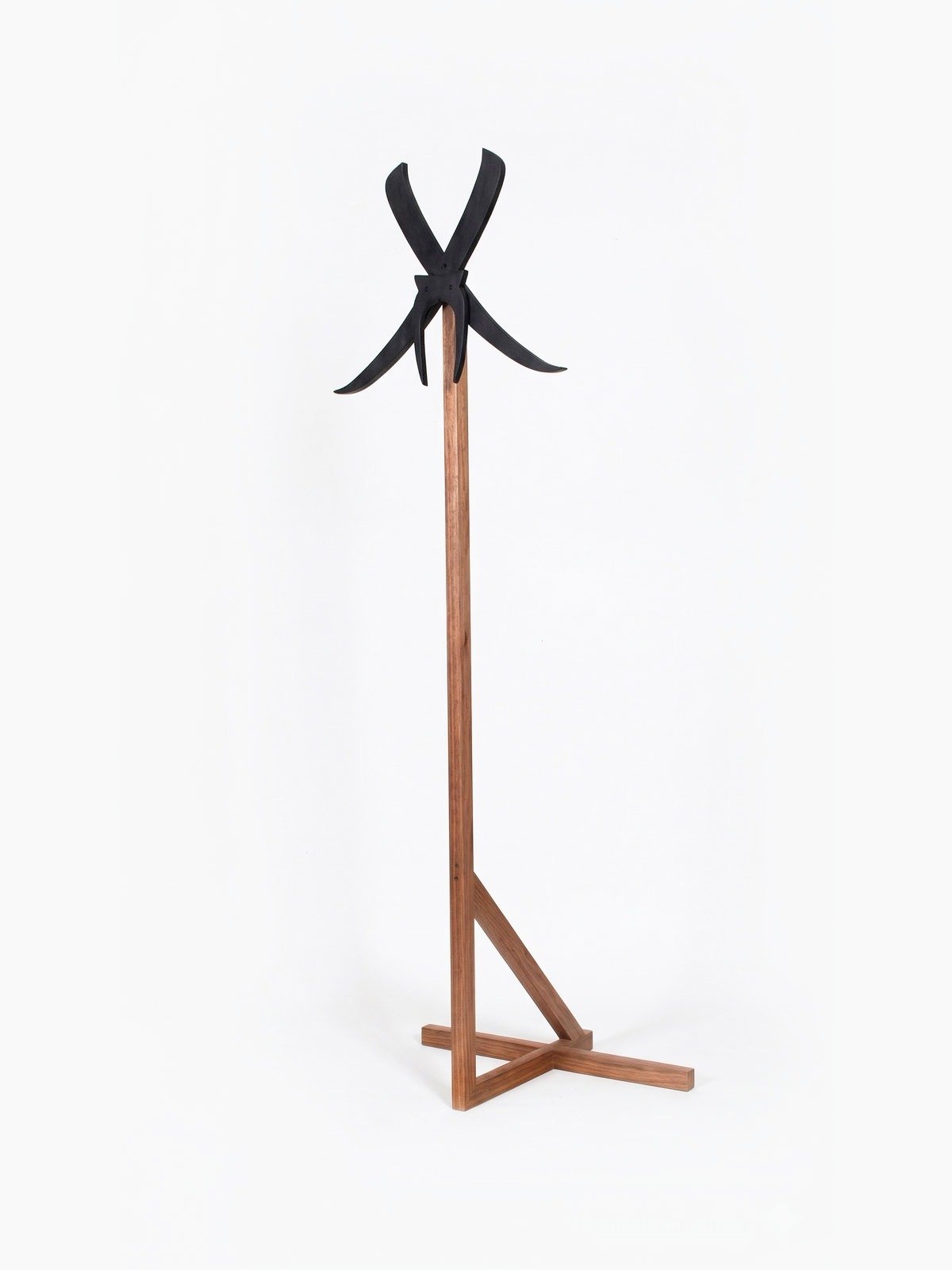
Big fat No
2019 · Wood, metal, perspex, string and acrylic paint · 157 x 60 x 46 cm
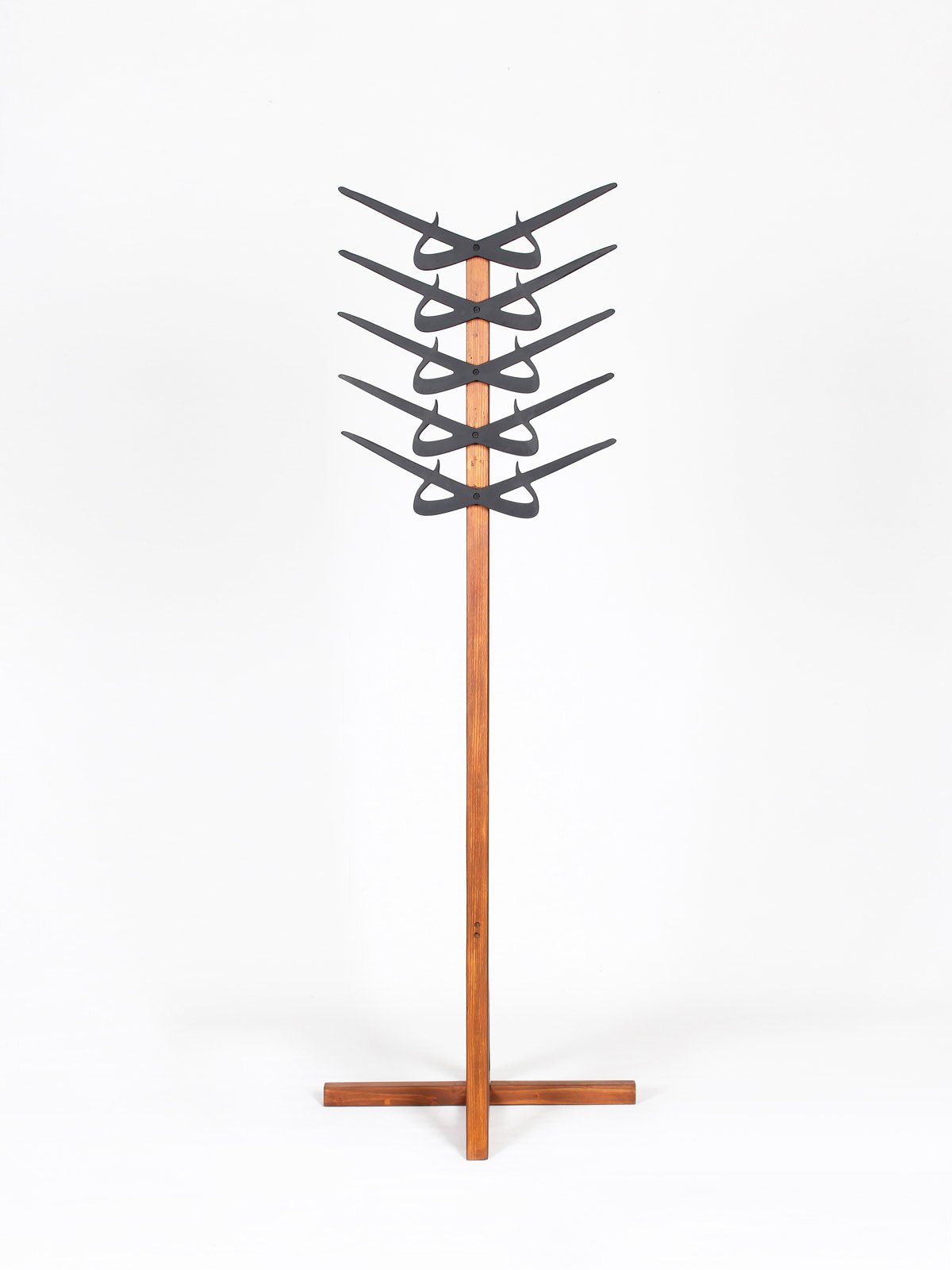
Last words
2019 · Wood, metal and acrylic paint · 157 x 60 x 19 cm
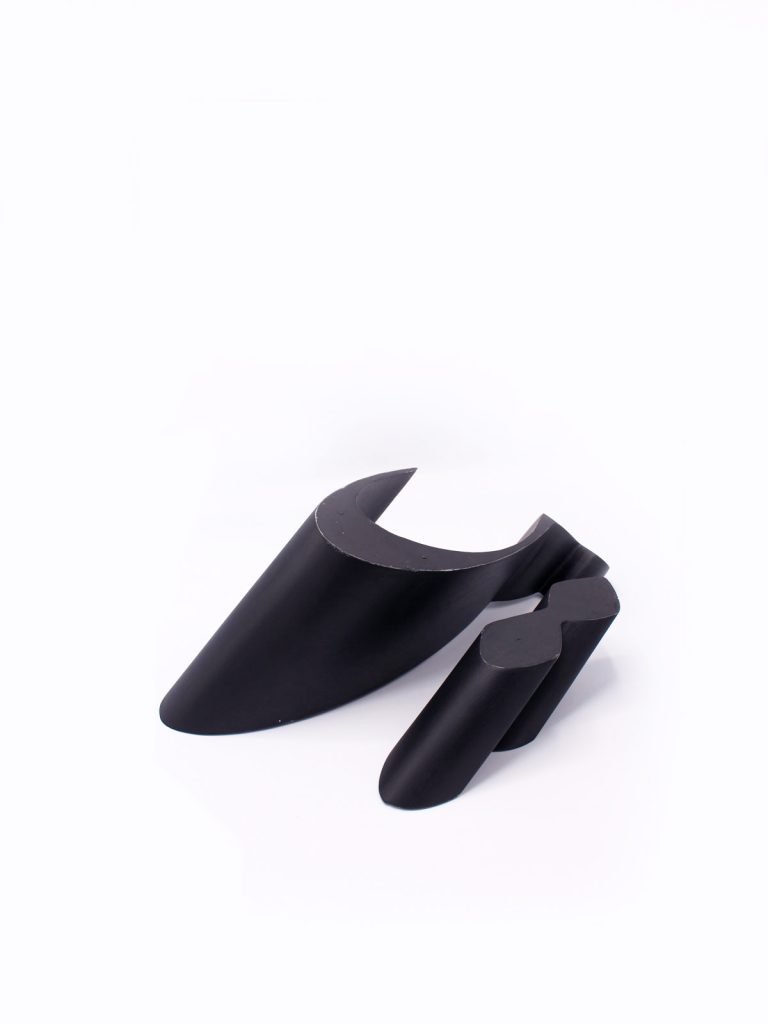
This is what you said
2019 · Wood and acrylic paint · 40 x 25 x 16 cm
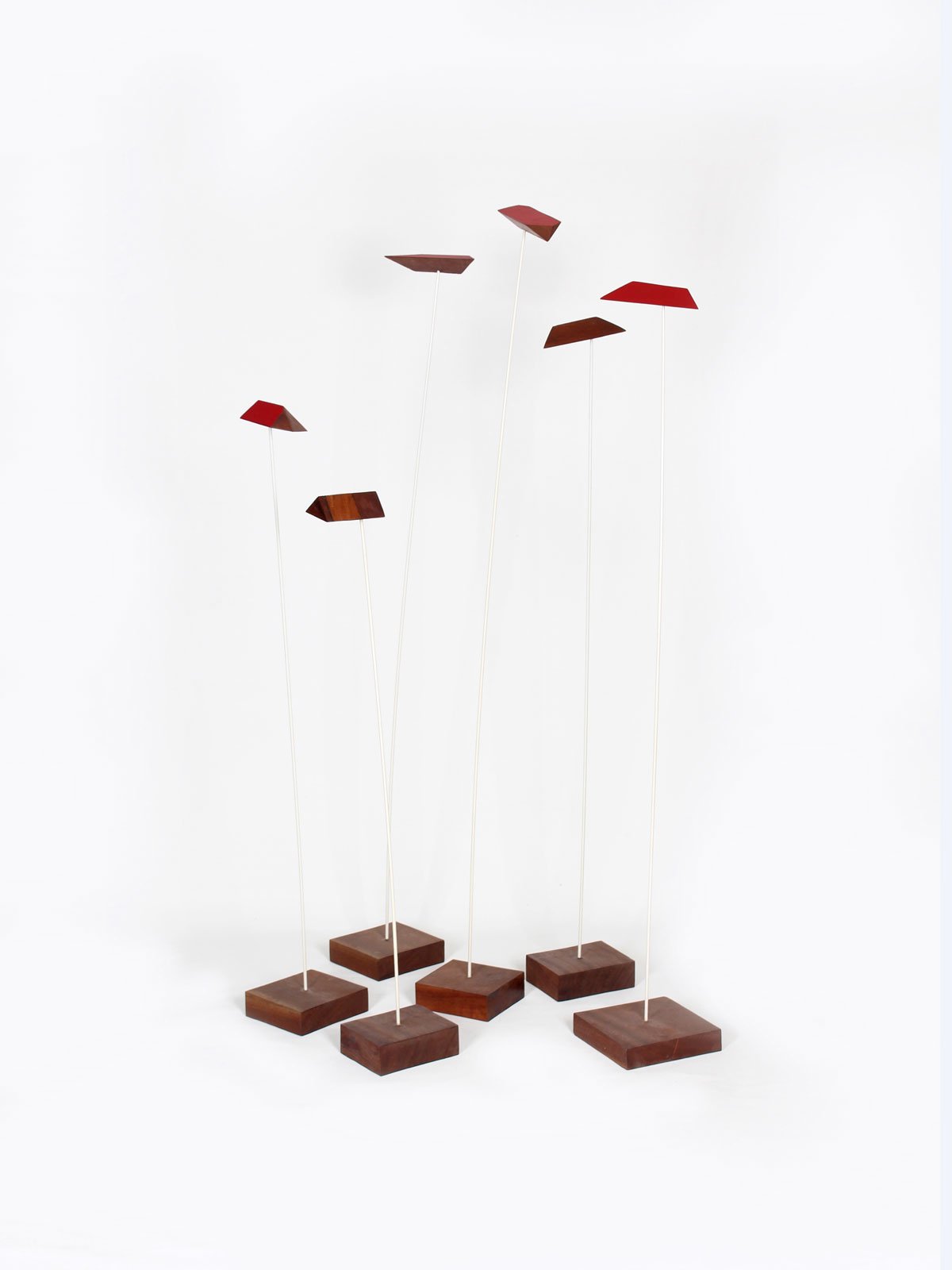
Blah Blah Blah
2019 · Wood, Metal, Perspex, string and acrylic paint · 152 x 56 x 56 cm
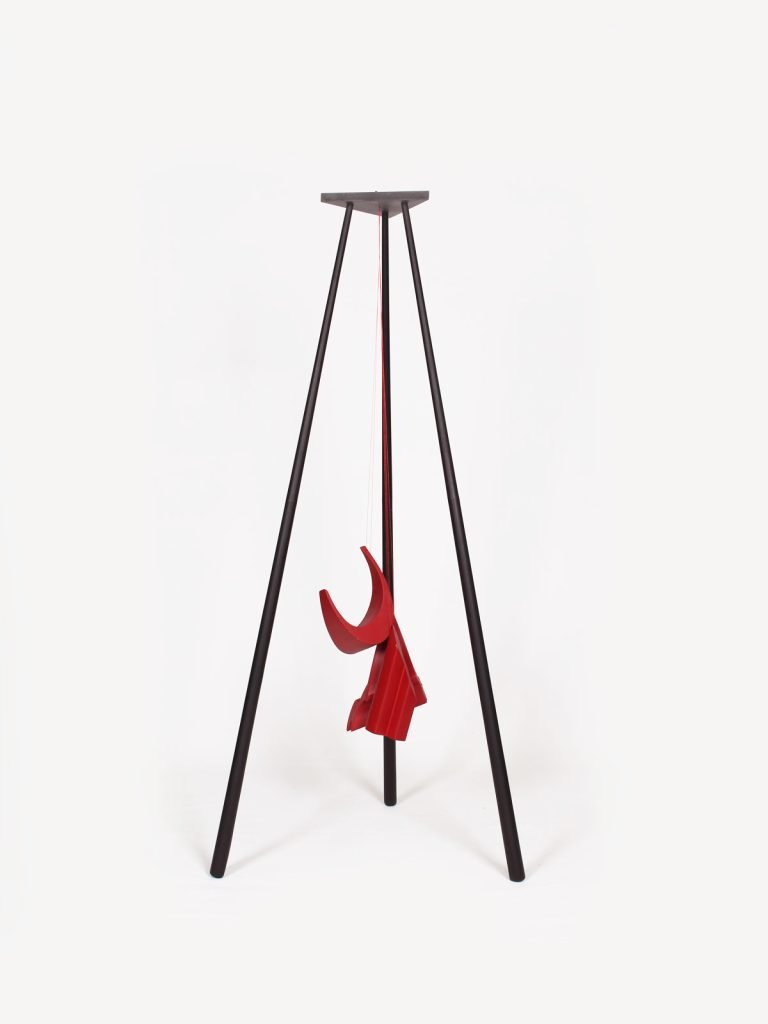
Still hanging in the middle
2019 · Wood, Metal, Perspex, string and acrylic paint · 140 x 140 x 46 cm
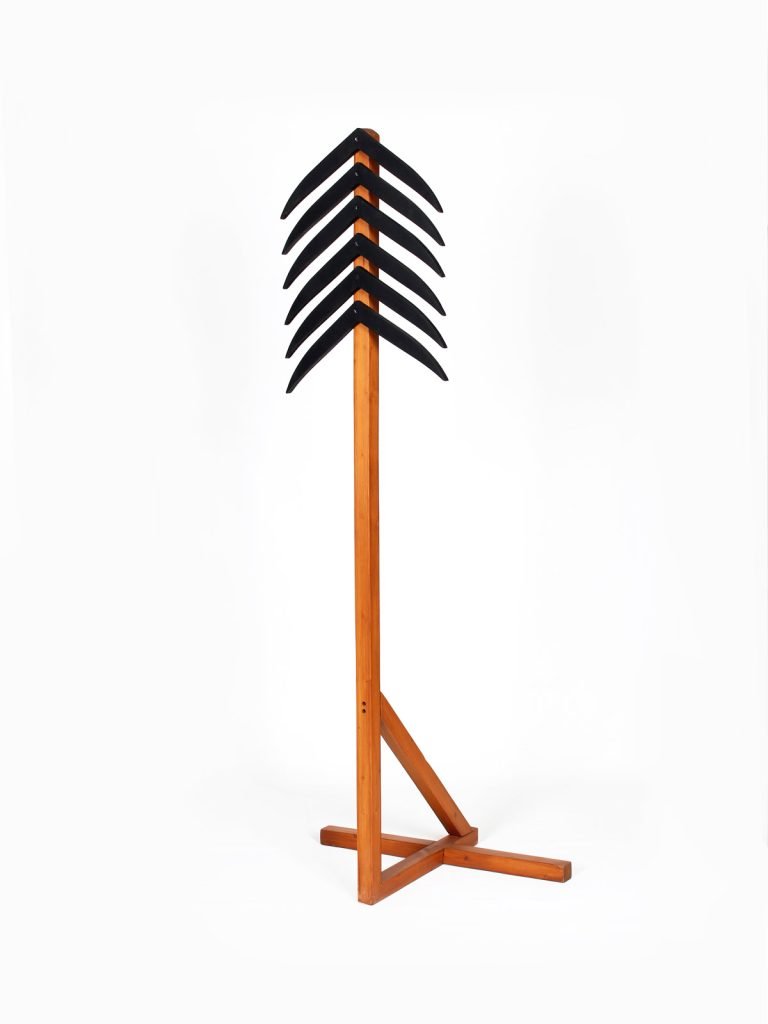
This or That
2019 · Wood, metal, perspex, string and acrylic paint · 157 x 60 x 46 cm
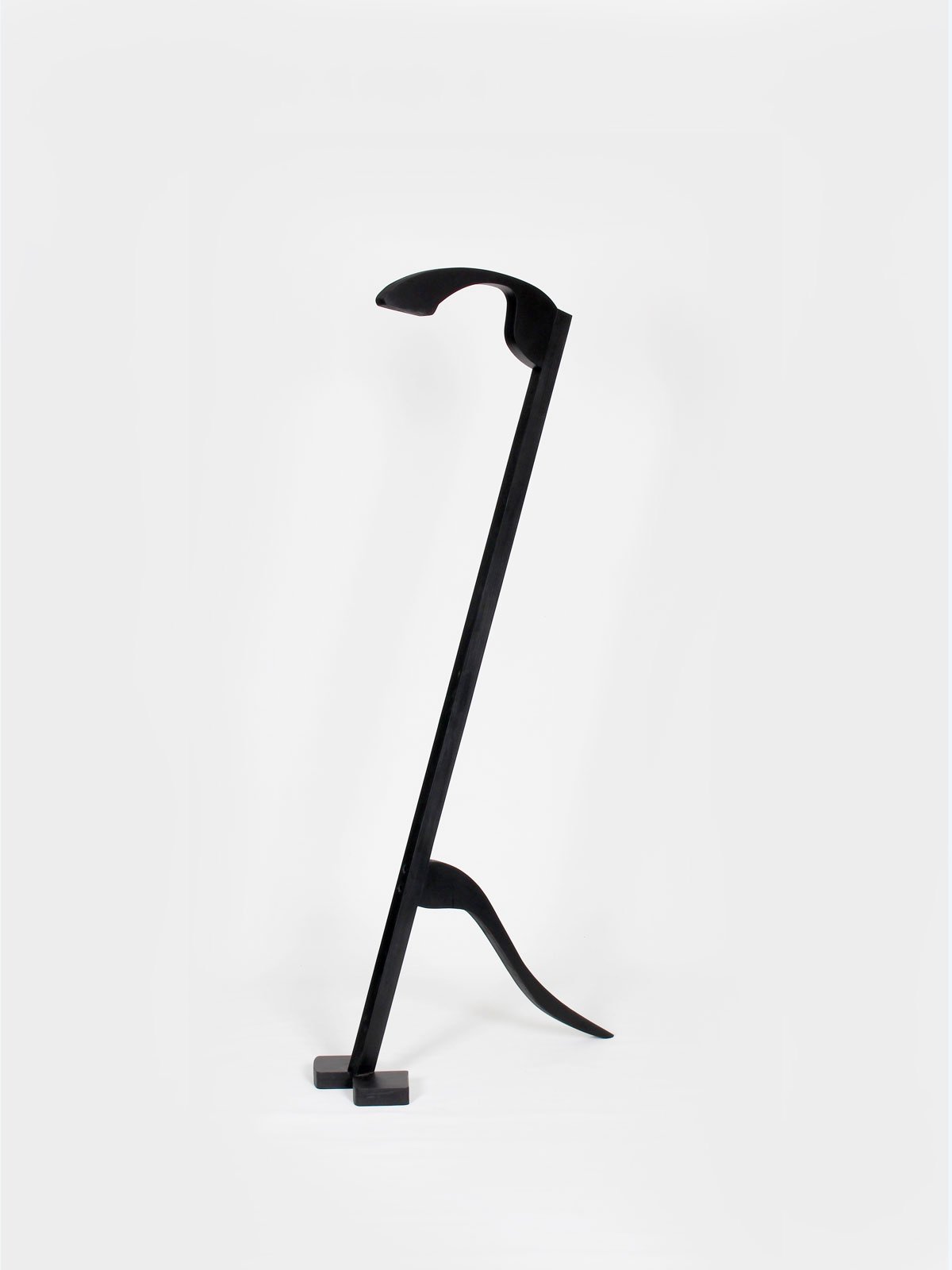
Don’t say that
2019 · Wood and acrylic paint · 148 x 24 x 60 cm
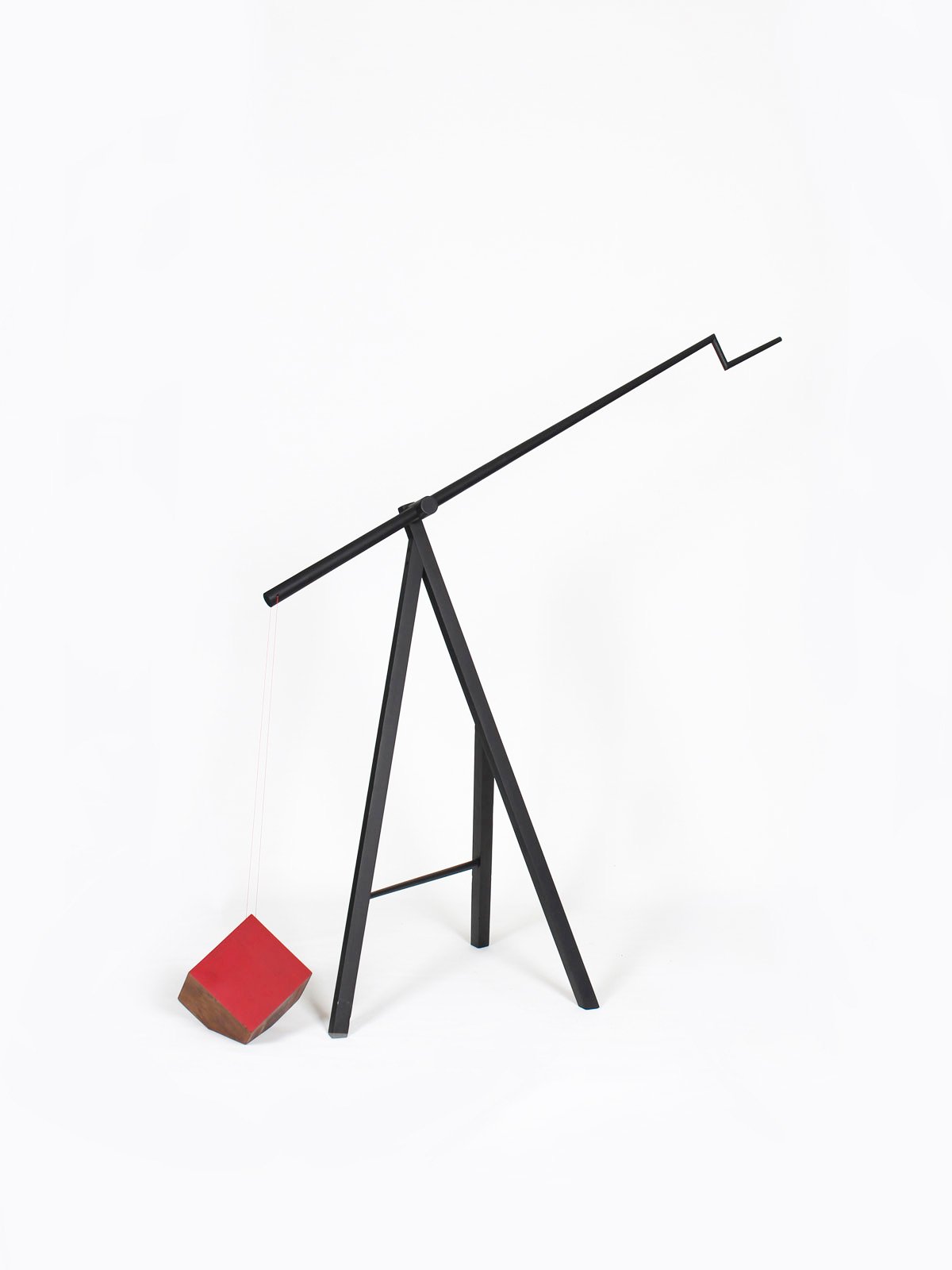
Beautiful Rejection
2019 · Wood and acrylic paint · 157 x 96 x 44 cm
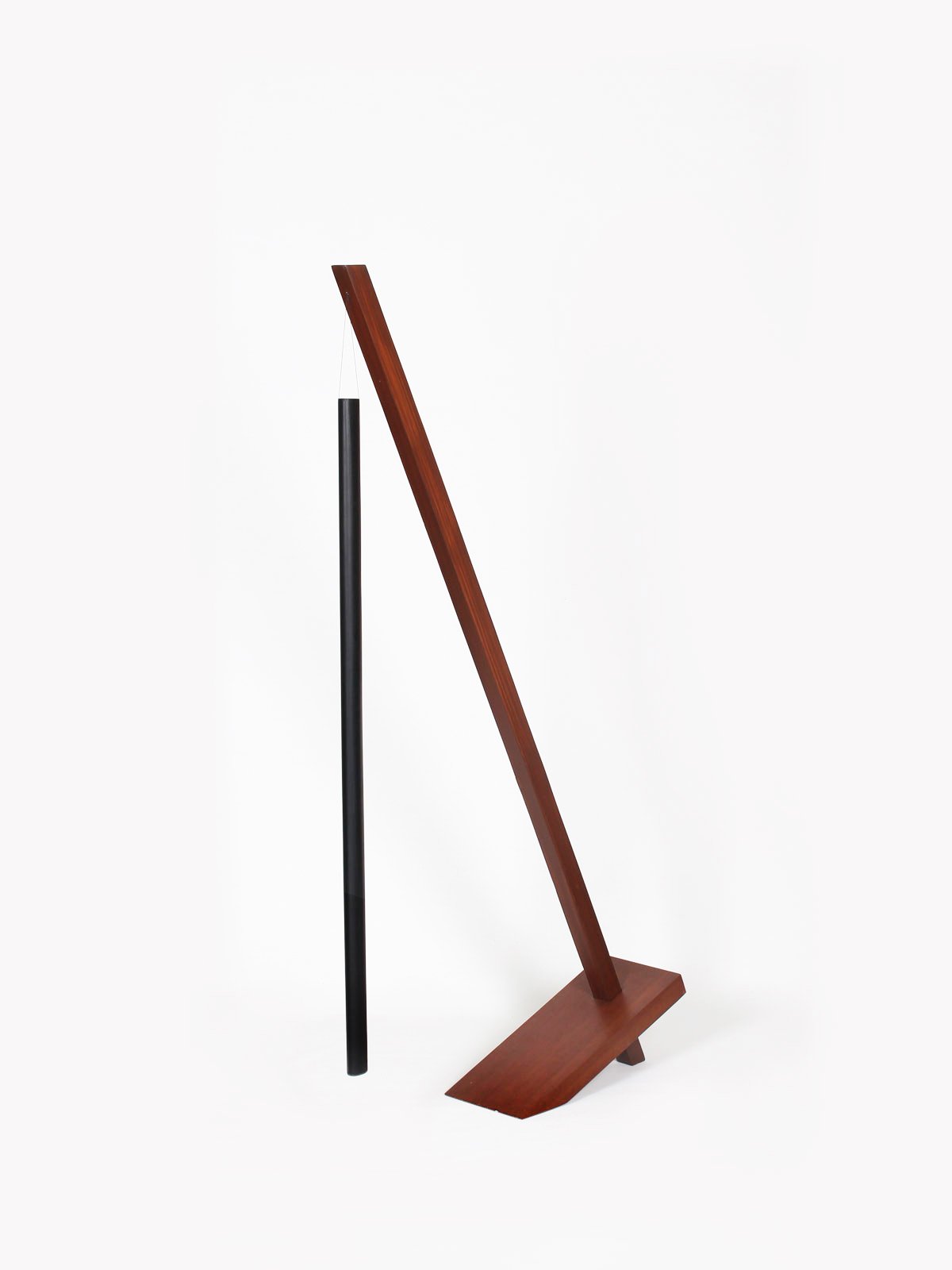
Draggg…
2019 · Wood and acrylic paint · 140 x 73 x 35 cm
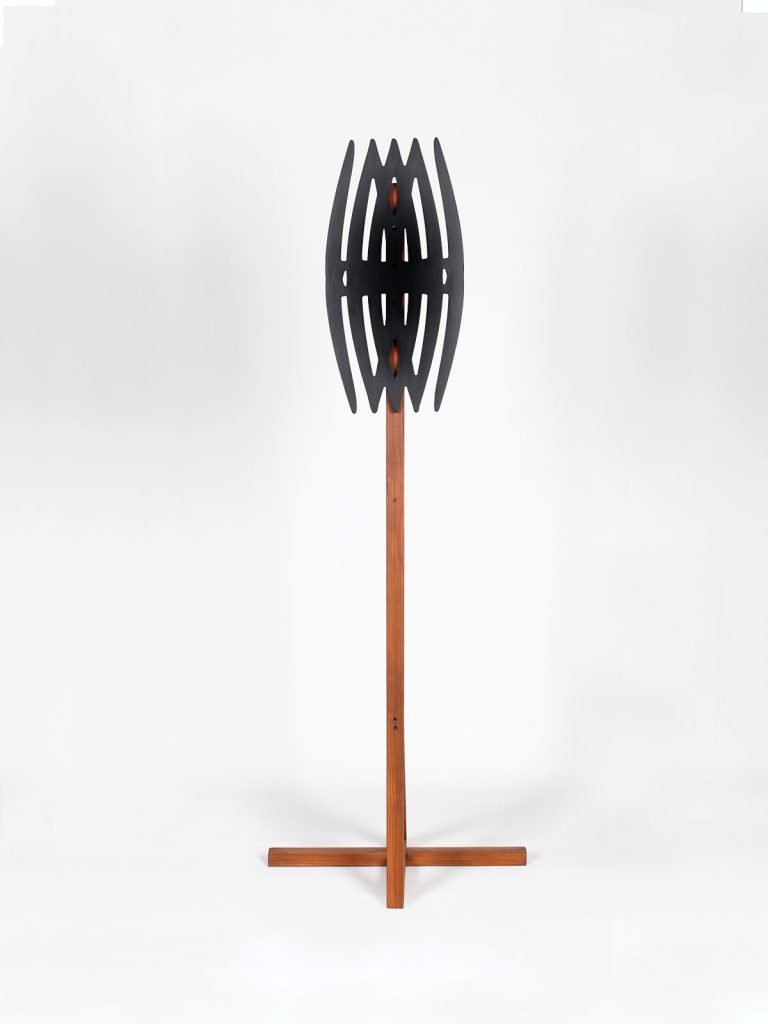
People call me confusion
2019 · Wood and acrylic paint · 157 x 60 x 60 cm
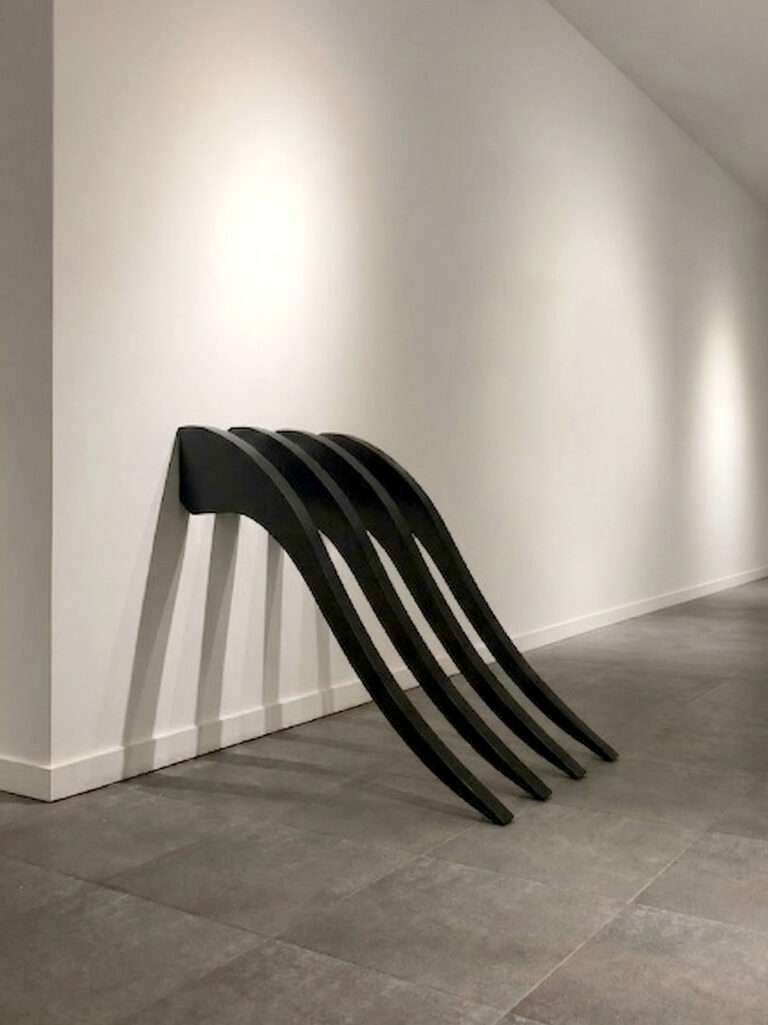
Mindless rhythms
2018 · Acrylics on wood · 41 x 26 x 35.5 inches approx